

Complete Guide: Building a 20kWh Home Battery for Under $3,000
Step-by-step guide covering cell sourcing, BMS selection, enclosure options, permitting, and real-world performance for a DIY LFP home battery system.
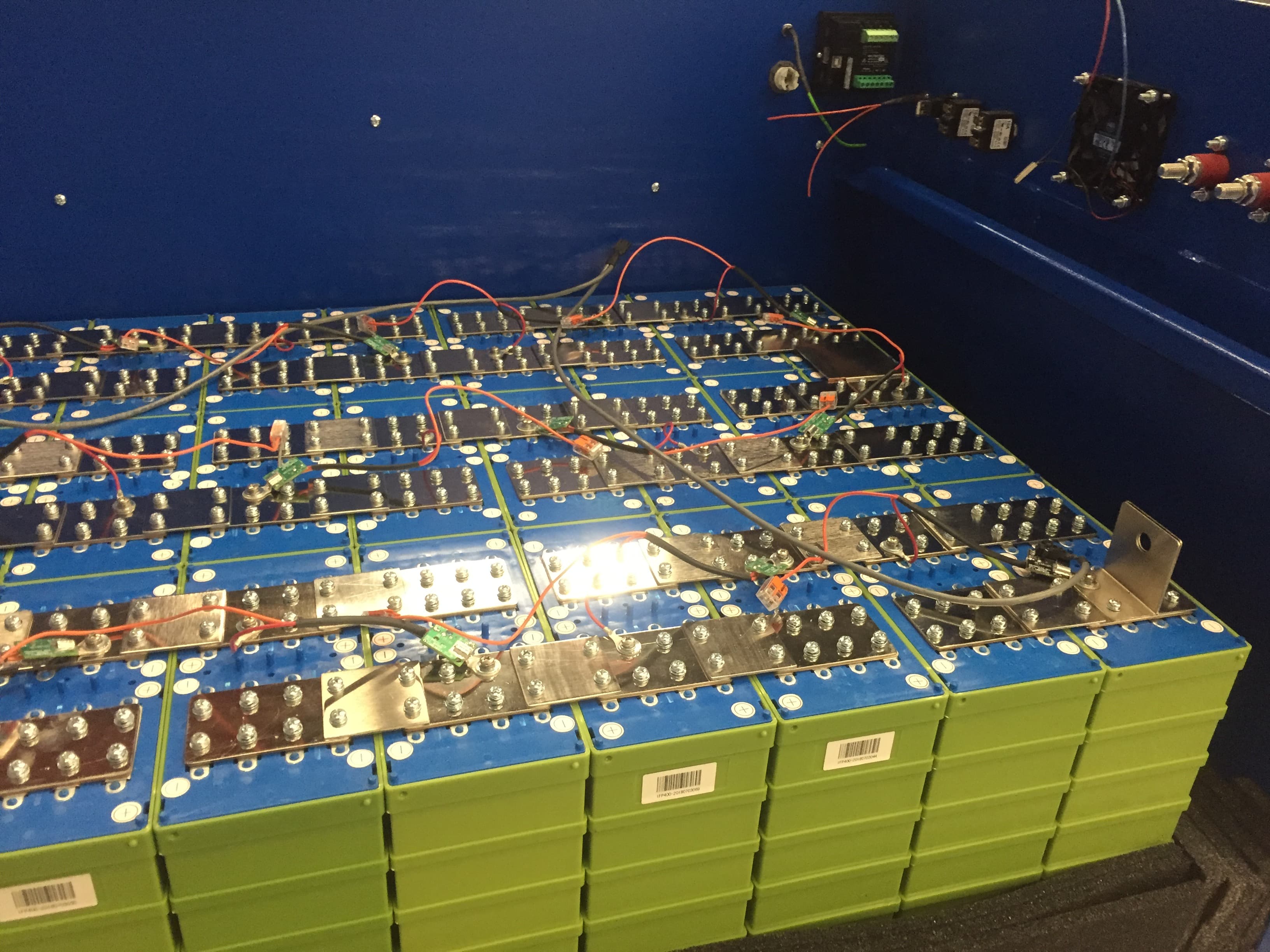
This guide is built from what actually works — not what looked good on paper. The decisions below are what the forum's most reliable builders do consistently, with the common mistakes noted where they actually cost people time and money.
Step 1: Cell Sourcing
Don't buy cells without per-cell capacity test data included in the shipment. That's the entire rule. Everything else follows from that. Get EVE LF280K or REPT Wending 280Ah cells from importers in the forum's verified supplier thread. Skip CATL for this format — their retail 280Ah presence for stationary builds is limited and inconsistent; what shows up is often intended for EV packs. Budget two spare cells per pack. More builds have been saved by that precaution than by any other single decision.
Step 2: BMS Selection
Get the JK BMS 200A. Active balancing, Bluetooth monitoring, low-temperature charge cutoff — all included for $85–120. The active vs. passive balancing debate is real but overstated. For well-matched cells from a quality supplier, passive units work fine for years. The thing that actually matters regardless of which camp you're in: the BMS must have a charge-side low-temperature cutoff that prevents charging below 0°C. Some budget units skip this. That omission will damage your pack the first time it gets cold.
Step 3: Enclosure and Thermal Management
Used server rack cabinets off eBay or Craigslist ($50–100) are underrated for this. Sturdy, sized right, and they look intentional. Purchased steel enclosures work fine at $150–200. Custom fabrication if you have the tools.
Thermal management gets skipped more than any other step. It shouldn't. LFP cells in an uninsulated garage in a cold climate lose 8–15% capacity in winter and throttle charge rates without warning. Foam insulation on the exterior and a $40 self-regulating heater strip inside solves it completely for under $70. Do it even if you think your climate is mild.
Step 4: Permitting
Talk to your AHJ (authority having jurisdiction) before you order anything. The permitting path determines your timeline more than anything else in this build. In NEC 2023 jurisdictions, a one-line diagram and cell spec sheets typically gets you through. Conservative building departments may require engineer-stamped drawings, adding $300–600 and several weeks. Find out first.
What to Expect: Real-World Performance
First-year usable capacity comes in at 96–98% of nameplate — formation losses are real, and a 20 kWh nameplate pack delivers 19.2–19.6 kWh in year one. Round-trip efficiency is 94–97% at normal charge/discharge rates. LFP thermal runaway onset at 220–270°C makes it the right chemistry for enclosed installation — no special ventilation required for systems below 100 kWh under most residential codes. Confirm with your AHJ anyway.