

BYD Blade Battery vs. LFP Pouches: Which Is Better for a DIY Build?
BYD Blade leads on nail-penetration safety via Cell-to-Pack. Can you source it for a DIY build, and does it outperform EVE LF280K where home storage counts?
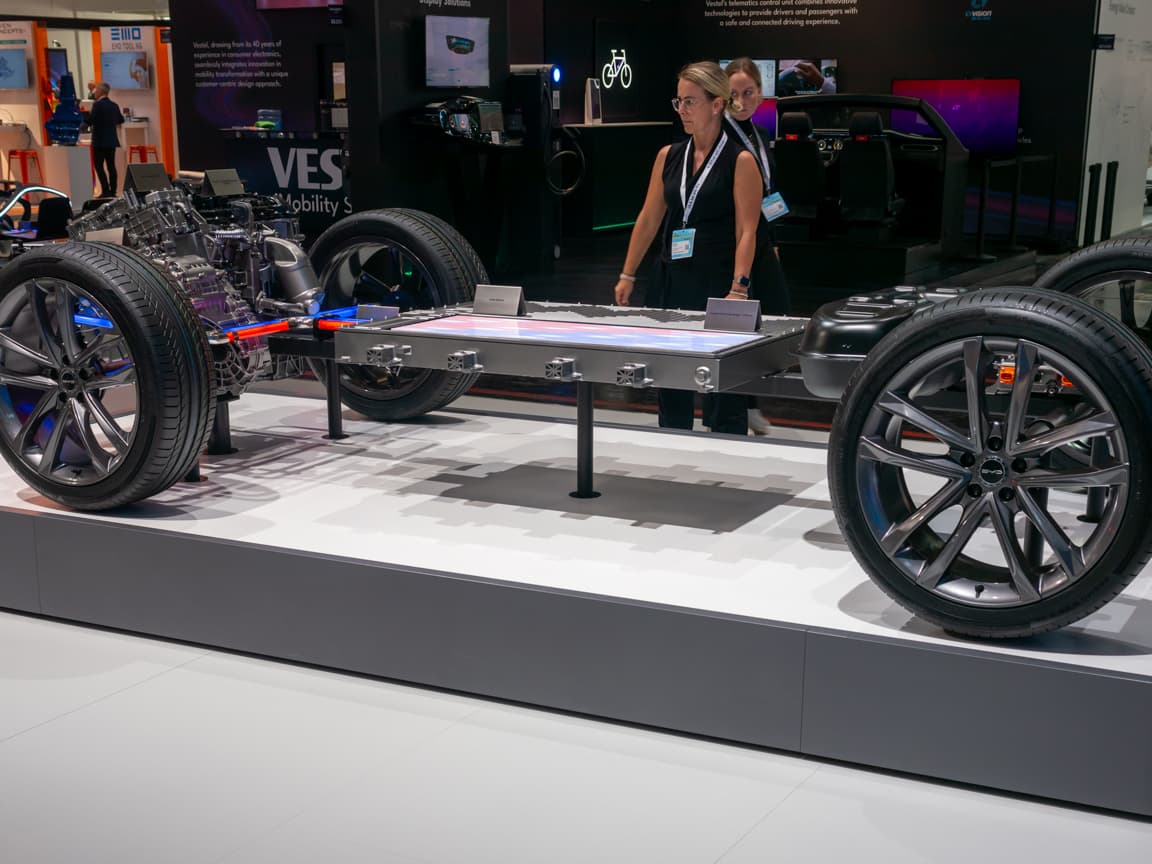
BYD's Blade Battery has more community discussion than it deserves for a cell most builders will never own. The nail-penetration test results are real and impressive — no fire, no smoke, genuinely different behavior from NMC and older LFP designs. But the test is not the cell, and the cell is not available to you. The entire Blade conversation in the DIY space collapses into one practical question: can you source it? For a planned build with a delivery date, the answer is no.
The Sourcing Reality
If someone is selling you 'BYD Blade cells' on AliExpress, they are lying to you. Those listings are standard LFP prismatic cells from other manufacturers with misleading product descriptions. Genuine Blade cells use a Cell-to-Pack architecture — they are not standard prismatic bricks. They don't fit in any standard enclosure or bus bar kit. They only reach the secondary market through salvage EV packs: primarily Atto 3 and Han vehicles that have been totaled or had warranty replacements. Supply is unpredictable. You cannot plan a build schedule around it.
Chemistry and Format Compared
| Feature | BYD Blade | EVE LF280K (280Ah) |
|---|---|---|
| Chemistry | LFP (lithium iron phosphate) | LFP (lithium iron phosphate) |
| Cell format | Long blade prismatic (CTP) | Standard prismatic brick |
| Cycle life (to 80%) | ~3,000 cycles | 6,000+ cycles |
| Nail penetration safety | No fire, no smoke (BYD published) | Standard LFP pass |
| DIY availability | Salvage market only | Wide — multiple vetted importers |
| BMS / enclosure fit | Custom design required | Standard 8S / 16S configurations |
| Best application | Automotive (volume- and crash-critical) | Stationary home storage |
Both are LFP. Fundamental thermal stability and chemistry are the same. Here's what doesn't get said often enough: the cell everyone is chasing for safety has roughly half the rated cycle life of the community standard. Blade at ~3,000 cycles versus EVE LF280K at 6,000+. For a home storage system cycled once daily, that's the difference between 8 years and 16 years. The Blade's CTP advantages — pack efficiency and crash safety — matter most in an automotive chassis. In a steel box in your garage, they don't.
For Home Storage: Buy the EVE
EVE LF280K or REPT Wending 280Ah. That's the answer for most builders. The supply chain is mature. Importers are vetted. Per-cell capacity test data comes with the shipment. The BMS ecosystem is designed around the standard prismatic format. These cells have more documented DIY deployments than anything else on the market.
If you specifically want Blade cells, the path exists but it's narrow:
- Source: Salvage forums that track EV insurance write-offs. Atto 3 packs are the most accessible and occasionally appear through resellers at viable prices. Expect a long wait.
- Enclosure: Standard prismatic enclosures and bus bar kits don't fit. Custom design is required. Budget the time.
- Timeline: Plan for this to run longer than a standard prismatic build. You cannot rush the supply.
Chase the Blade only if you have a specific reason beyond the nail-penetration test. For home storage, the EVE is the better cell.
20 Replies
View in forum →The cycle life gap is the number that should end this debate and mostly doesn't. ~3,000 cycles for Blade vs 6,000+ for LF280K isn't a rounding difference — it's roughly double the calendar life for a daily-cycled home system, and it comes down to how each format manages mechanical stress during expansion/contraction. The long blade geometry has more surface area relative to its cross-section, which sounds like an advantage until you consider it also means more opportunity for uneven SEI growth across the cell length. BYD engineered around that for automotive duty cycles where the pack is replaced or the car is scrapped well before 3,000 cycles matters. That tradeoff doesn't transfer to a stationary application cycled once a day for fifteen years.
Worth being precise about what BYD's nail-penetration result actually demonstrates versus what gets implied in secondhand summaries. The published test is no fire, no smoke, surface temperature staying in a narrow band — that's a real, meaningfully better result than a typical prismatic LFP cell under the same test. What it doesn't demonstrate is anything about long-term degradation, calendar aging, or performance in a stationary duty cycle, because that was never the test. Citing the crash-safety data as if it settles the "which cell for home storage" question is citing the right data for the wrong question.
Already have an Atto 3 salvage alert set up on three different forums after reading this. Fully aware the article is telling me not to do this and I'm doing it anyway — there's something appealing about building a custom enclosure around a genuinely different cell format instead of the same 280Ah brick everyone else is running. Will report back whenever a viable pack actually shows up. Could be a year. Could be never.
Wait, so the answer this whole time was just... buy the EVE?
Must be nice having a garage to put either of these in.
Nobody's asked the servicing question yet so I will. Say you land a salvage Blade pack and get it running. Five years in, one cell group develops a fault. Who has replacement Blade cells in stock, who has documentation on the CTP internal architecture, and who's willing to warranty a repair on a format with zero standardized DIY support? With an EVE-based pack any competent builder in this community can diagnose and repair it. With Blade you're on your own the day something goes wrong, not just the day you're sourcing it.
Half this forum has spent two years hyping a cell they can't buy because a crash test video looked cool. The AliExpress callout in this piece needed to happen months ago — I've seen at least four posts here linking "BYD Blade" listings that are just repackaged standard prismatics with a sticker. Appreciate an article that just says the sourcing doesn't exist instead of hedging about it.
Judge a battery by whether you can actually buy it. Blade fails that test today.
Ran a rough cost-per-cycle comparison since nobody had put actual numbers on it. EVE LF280K at a known $/kWh and 6,000+ cycles gives you a predictable cost-per-cycle figure you can actually budget around. Blade's acquisition cost is unknowable in advance — salvage pricing is whatever a reseller decides to charge whenever a pack happens to surface — and it's rated for half the cycles. Even setting aside the sourcing headache entirely, the economics don't clear the bar for a system you're cycling daily for over a decade.
The custom enclosure requirement is the part casual readers will underweight. A standard 16S prismatic bus bar kit assumes uniform cell width and consistent terminal spacing — Blade's long-format geometry breaks both assumptions. You're not adapting an off-the-shelf kit, you're designing bus bar geometry from scratch and getting it torque-tested before you trust it at pack current. That's a real engineering project layered on top of an already uncertain salvage supply. Budget the time accordingly, as the article says, and then budget more.
Cutting to the purchase decision since that's what most people reading this actually need: buy the EVE LF280K. Vetted supply chain, per-cell test data, standard BMS ecosystem, twice the cycle life. The only reason to chase Blade is curiosity or bragging rights, not economics or performance for a home system. Good article for saying that plainly instead of both-sidesing it.
Cycle life over crash safety for a stationary pack. Obviously.
Went digging on actual Atto 3 and Han salvage pricing since the article flags it as the only real source. What I found: total-loss Atto 3 packs occasionally surface on Copart and IAAI at auction, but buyers report the battery pack itself often gets pulled and sold separately by the dismantler before the shell even hits the public auction listing, meaning the car you can bid on frequently isn't the car with the pack still in it. The actual entry point seems to be relationships with salvage yards or resellers who already extract packs, not auction sites directly. Matches the article's "long wait, no guaranteed timeline" framing — if anything it undersells how opaque the supply chain is.
Wish sourcing headaches like this were our biggest problem here.
Seeing some assumptions in this thread worth correcting: Blade doesn't solve anything about cold-weather charging behavior. It's still LFP chemistry underneath the CTP packaging, and LFP's charge-acceptance cliff below freezing is a chemistry property, not a format property. If someone's chasing Blade thinking it'll behave differently than an EVE pack at -20°F, it won't. Same cold-weather charge cutoff considerations apply either way.
Been building home battery packs since before "DIY LFP" was a common phrase around here, and the answer to "which cell should I buy" has been the same boring answer for years: whatever has a mature supply chain and real cycle data behind it. Right now that's still the EVE. Exotic salvage cells make for a fun project if you've got the patience and the enclosure skills, but they're a hobby project, not the recommendation for someone who just wants a working pack on a reasonable timeline.
Americans really will chase a battery they can't buy instead of the one sitting on the shelf.
Cool test video. Can't buy the cell. Buy the EVE.
Still learning the acronyms — can someone explain Cell-to-Pack in plain terms? I get that it means the cells skip the module step and go straight into the pack structure, but I don't understand why that makes the format incompatible with standard bus bar kits. Is it just the physical shape, or something about how the pack itself is structural?
Read eight comments to confirm what the headline already said.