California's EV Charging Push: The CEC's Fast Charge Program and What the NACS Shift Means
California's Energy Commission is spending $55 million through the Fast Charge California Project to deploy high-speed charging corridors. Here's how the program's connector requirements work, how NACS is reshaping the market, and where CHAdeMO stands.
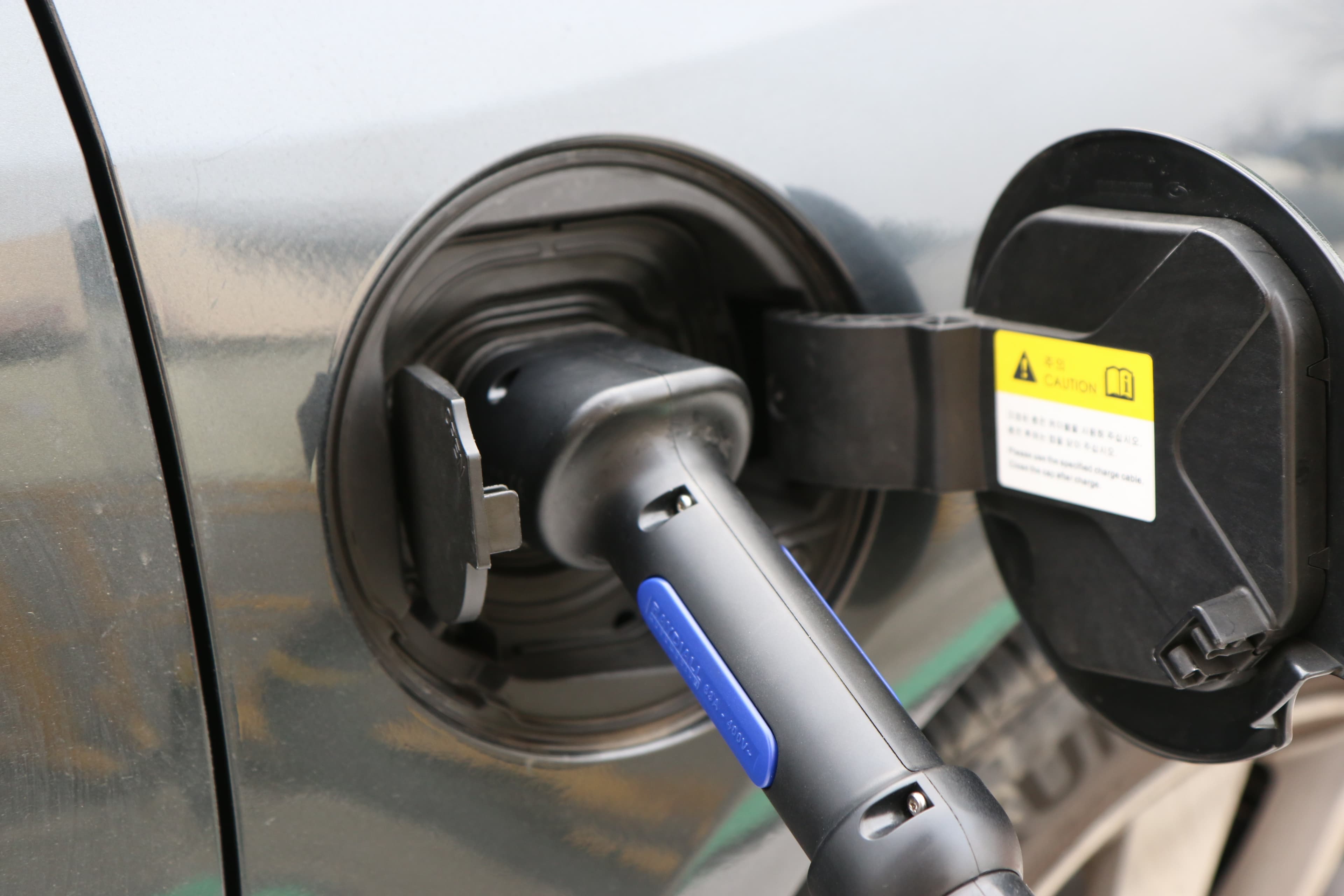
California's primary mechanism for accelerating DC fast charging deployment is an incentive program, not a mandate. The California Energy Commission's Fast Charge California Project, administered through the CALeVIP incentive platform, allocated $55 million to fund new DCFC installations at public locations across the state. Sites must have a minimum of four ports operating at 150 kW or higher to qualify for incentive payments. Applications closed October 29, 2025, with funded projects expected to deliver a significant tranche of new high-speed charging infrastructure across the state through 2026 and 2027.
The program has specific connector requirements that reflect where the market is heading. A minimum of 50% of ports per site must support CCS1 (SAE J1772 Combined Charging System) to qualify for incentive funding. NACS (SAE J3400) connectors are fully eligible and count toward incentive calculations. CHAdeMO connectors may be installed but do not count toward the minimum CCS1 requirement and do not factor into incentive calculations — a signal about the direction of the California market. Sites built exclusively with NACS connectors and no CCS1 ports would not meet the minimum threshold for CEC incentive eligibility.
Federal NEVI program requirements overlay California's state incentive framework for stations receiving federal FHWA funding. All NEVI-funded DCFC stations must support both CCS1 and NACS connectors — a dual-connector requirement established in FHWA's 2023 standards and reinforced in the August 2025 revised guidance. This means any California charging station funded with NEVI dollars must offer both connector types regardless of the state's separate incentive program requirements. The practical result is that new public fast charging infrastructure in California is increasingly multi-standard by construction.
The market is moving decisively toward NACS. As of January 2026, NACS accounted for approximately 48% of US DC fast charging ports, with CCS1 at roughly 40%, according to industry tracking data. NACS's growth reflects both the scale of Tesla's Supercharger network — now open to non-Tesla vehicles — and the widespread adoption of NACS as the OEM connector by Ford, GM, Rivian, Honda, and nearly every major manufacturer entering the US market from 2025 onward. New CCS1-only vehicles are increasingly rare in the US market.
CHAdeMO's trajectory is the starkest part of the connector story. Nissan has not sold a new Leaf in the US since 2022, eliminating the primary new-vehicle source of CHAdeMO demand. Mitsubishi's Outlander PHEV charges via Level 2 J1772, not CHAdeMO. The installed base of CHAdeMO-compatible vehicles is aging without a replacement pipeline, and charging network operators have been reducing CHAdeMO port counts in favor of higher-revenue CCS and NACS ports. For current Leaf owners, CHAdeMO availability at public stations will continue to decline over the next several years. The CPUC has not issued a regulation requiring new stations to maintain CHAdeMO support — the market is making that determination through economics rather than mandate.
Join the discussion
Share your thoughts, questions, and experience with the Photons & Electrons community.