

Community Solar Crosses 10 GW: The Markets Working and the Barriers Still Blocking Growth
US community solar passed 10 GW in 2025. Annual additions contracted 25% as mature markets slowed — 2026 is expected to rebound. Which states are leading?
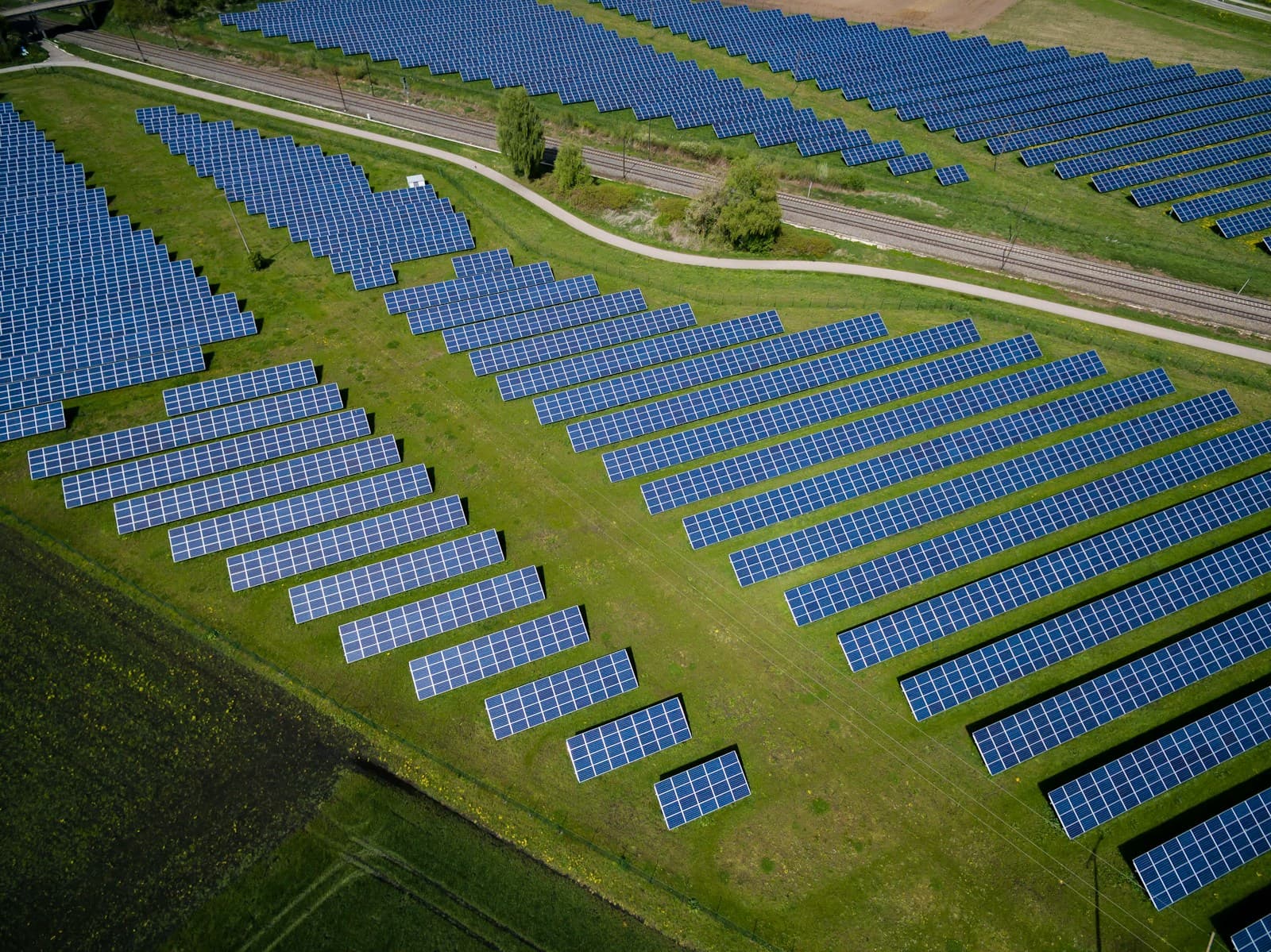
US community solar installed capacity passed 10 gigawatts cumulative in 2025, reaching approximately 10.1 GWdc by year-end, according to Wood Mackenzie's April 2026 market report. Annual installations in 2025 totaled 1,435 MWdc — a 25% contraction from 2024, driven by a slowdown in New York and other mature markets — even as the cumulative total crossed the 10 GW milestone. The market is projected to rebound roughly 12% in 2026, led by Illinois and Mid-Atlantic state programs.
Community solar exists for subscribers who can't install rooftop panels themselves: renters, condo residents, apartment dwellers, homeowners with shaded or structurally unsuitable rooftops, and lower-income households who have historically been the last to benefit from rooftop solar economics. For these subscribers, a community solar subscription is often the only form of locally generated renewable electricity available to them.
Where the Market Is Concentrated
| State | Approx. Installed Capacity | Notable Program Feature |
|---|---|---|
| New York | ~2,410 MWdc (24% of US total) | Largest state market by volume |
| Illinois | Growing | Income-qualified component: 50% reserved for ≤80% AMI households |
| Massachusetts | Top 4 market | State mandate for utility participation |
| Minnesota | Top 4 market | Early market; community statute since 2013 |
These four states account for approximately 70% of installed US capacity, driven by community solar statutes that mandate utility participation in virtual net metering (VNM). Illinois's Adjustable Block Program is particularly notable: income-qualified subscribers receive bill credits at full retail rate rather than the lower wholesale rate offered to standard residential subscribers — a design decision that directly influenced similar provisions in Maryland, Colorado, and New Jersey.
The Barrier: 30 States Still Lack a Framework
Without a state mandate for utility participation in virtual net metering, community solar cannot function at scale — utilities will not voluntarily create billing credit arrangements that reduce revenue without regulatory compulsion. States without community solar statutes include most of the Southeast (Alabama, Mississippi, Louisiana, Tennessee, Georgia) and large portions of the Mountain West and Plains. Many of these states have significant solar resources and cost-burdened populations that would benefit most from accessible solar access. Advocacy organizations have pursued regulatory proceedings at public utility commissions in several of these states, with mixed results.
Federal Policy: A Supporting Role
Federal policy has helped in states that do have community solar frameworks. The IRA's clean electricity investment tax credit (ITC) available to community solar projects at 30% base — plus adders for domestic content and energy community siting — has improved project economics and attracted institutional capital. The Low-Income Communities Bonus Credit under Section 48E provides an additional 10–20% ITC adder for projects where at least 50% of capacity serves income-qualified households, the first federal mechanism explicitly incentivizing affordable community solar.
How to Subscribe
For households in states with active community solar markets, the subscription process is straightforward. Aggregators including Arcadia, EnergySage, and Solstice operate in most states with community solar statutes and handle utility paperwork. Most subscriptions require no upfront cost, carry one-to-three year terms, and deliver bill credits at 5–15% below the retail rate — the developer's margin. Income-qualified programs typically offer larger discounts, often 20–30% below retail. Eligibility criteria vary by state and program; SEIA's community solar resources at seia.org and the EnergySage marketplace are the most current guides to program availability by state.
1 Reply
View in forum →Oregon has community solar through PGE and Pacific Power but waitlists are long. I signed up for a PGE Clean Wind subscription as a placeholder while I'm on the community solar waitlist — not the same economics, but it's what a renter in a north-facing unit can actually do. The article's point about income-qualified access being an afterthought in most states tracks. Oregon isn't as bad as some but it's not Illinois.
The Illinois Adjustable Block Program requiring 50% of capacity reserved for income-qualified households is the policy design detail I keep pointing people to. That provision directly addresses the problem where community solar gets built and immediately subscribed by middle-income households before low-income renters can access it. Several states are now copying the Illinois model.
The Southeast situation — Alabama, Mississippi, Louisiana, Tennessee, Georgia all without community solar statutes — is frustrating given the solar resources those states have. The barrier isn't technical or economic, it's that utilities without regulatory compulsion won't create virtual net metering arrangements that reduce their revenue. Utility commission proceedings rather than legislation seem to be the path in some of those states.
The IRA Section 48E Low-Income Communities Bonus Credit adding 10–20% ITC on top of the base 30% for projects serving income-qualified households is the federal piece that changed project economics. Without that adder, developers were relying entirely on state subsidy design to make income-qualified subscriptions work financially. The article explains the stacking correctly.