

What an EV Conversion Costs in 2026: A Component-by-Component Breakdown
LFP prices have stabilized while DC motors have gotten more expensive. Here's what a capable EV conversion costs today and where the value equation has shifted.
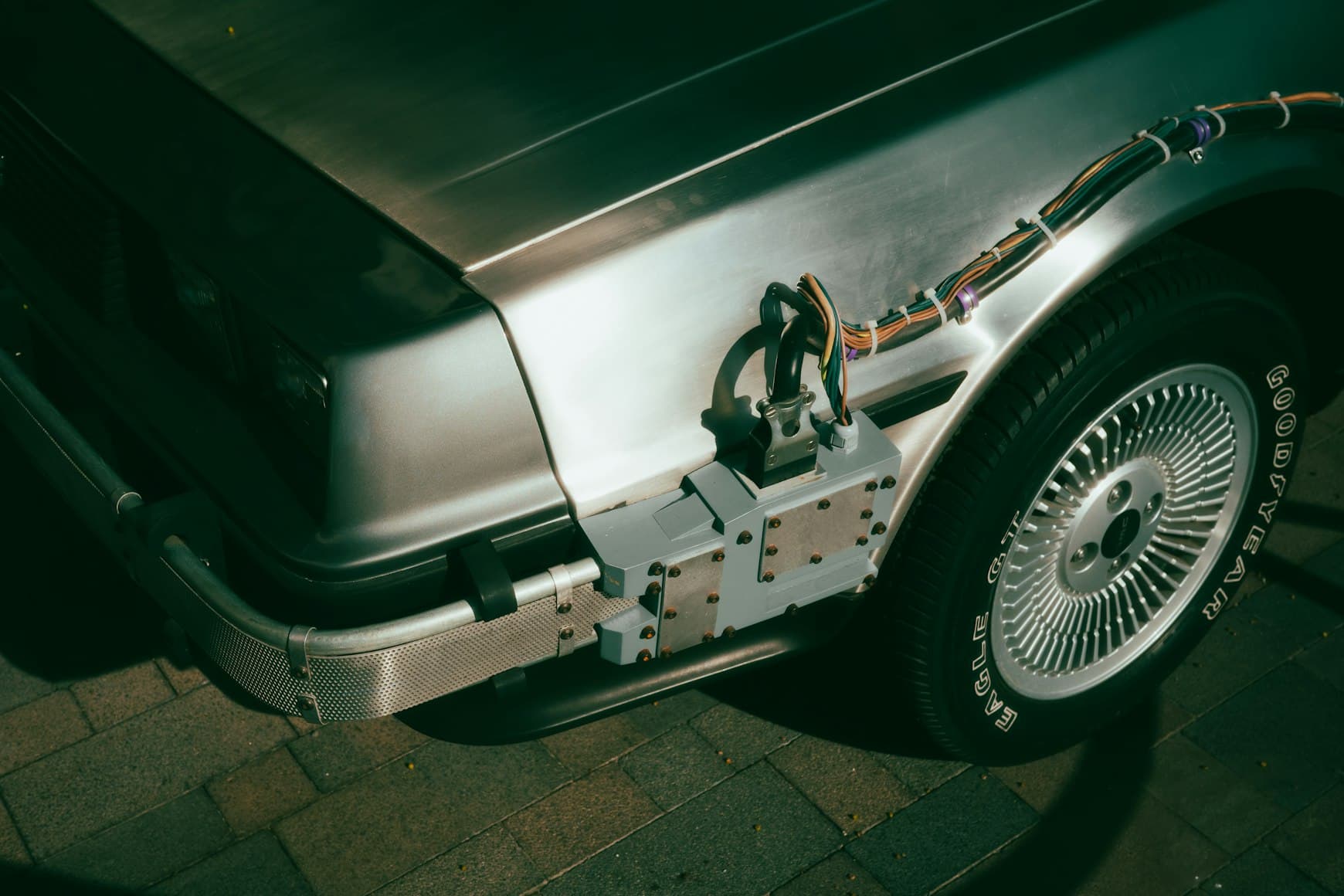
The pricing environment shifted in the last two years and the community's mental model hasn't caught up. LFP cells stabilized — the dramatic price drops of 2023–2024 have stopped. Motor and controller costs moved the other way: the surplus availability from the pandemic era is gone and pricing has normalized. A capable conversion in 2026 costs more than most people expect when they start researching. Know the real numbers before you commit.
Component Cost Breakdown
A mid-range capable conversion — reliable daily driver, 60–80 miles of range, regenerative braking, proper thermal management — at current market prices:
| Component | Cost Range | Notes |
|---|---|---|
| Battery pack (20 kWh, 16S2P LFP) | $2,800–3,200 | Cells, JK BMS, bus bars, enclosure, cabling |
| Motor | $1,800–3,500 | AC induction (Warp 11, Hyper 9) costs more but regen braking is worth it |
| Controller | $900–2,200 | Thunderstruck EV and Alltrax are the reliable options; Kelly is budget |
| Adapter plate and coupler | $400–900 | Donor-specific; expect custom machining unless your donor is well-supported |
| J1772 onboard charger | $350–600 | |
| DC-DC converter (12V system) | $150–250 | |
| Miscellaneous | $400–700 | Contactors, fusing, wiring, vacuum pump, motor mounts |
| Total (parts only) | $6,800–11,350 | Before labor or donor vehicle |
Choosing a Donor Vehicle — Where Most Builds Go Wrong
Pick the wrong donor and you're looking at months of integration problems and a bill that keeps growing. The community defaults — early Ford Ranger, air-cooled VW Beetle, air-cooled Porsche — are defaults because they actually work. Adapter plate ecosystems are mature, the vehicles are mechanically simple, and battery packaging is straightforward.
Avoid anything with electronic power steering, drive-by-wire throttle, or a sophisticated OBD system. Every one of those is a conversion integration problem that either gets expensive or doesn't get solved at all. Modern unibody vehicles are particularly bad donors: tight battery packaging, complicated structural considerations, and almost no community precedent. Body-on-frame vehicles with simple drivetrains convert predictably. Most newer vehicles don't.
Labor: The Number That Determines Whether This Makes Sense
A DIY builder with fabrication skills working over 6–12 months keeps labor near zero. That's the only scenario where the total build cost clearly outpaces buying a used EV with equivalent capability.
A professional shop charges $8,000–18,000 in labor depending on complexity and location. At those numbers, you are almost always better off buying a used EV unless the donor vehicle is irreplaceable to you. Before handing over a deposit to a conversion shop, ask to see three completed builds on the same or similar donor. Ask for references. EV conversion shop quality varies so dramatically it barely functions as a single category. A poorly executed conversion is dangerous and a source of expensive problems that don't stop.
Range: Set It from Physics
A 20 kWh pack in a 2,800–3,400 lb vehicle delivers 55–75 miles of highway range at 280–320 Wh/mile. That's the real number. Be honest about whether that works for your use case before you commit. Adding a second 20 kWh string doubles range and doubles cost, weight, and complexity — the incremental economics are worse than the first pack in almost every analysis. Plan for range extension via route planning, not hardware.
Is It Worth It?
If you already own the vehicle: converting it instead of buying a used EV makes sense in many cases — no payment, fuel costs near zero, minimal maintenance. If you're buying a donor specifically to convert: run the numbers honestly. At current conversion costs, an equivalent-capability used EV usually comes out cheaper. The reason to convert anyway has always been the same — you can't buy a converted '67 Porsche 912, a converted first-gen Ranger, or a converted Beetle. The vehicle matters to you. That's a legitimate reason. Don't confuse it with a financial investment.