

EV Road Trip Planning in 2026: Charging Networks Compared
72,500 US fast-charging ports, 500 kW V4 stations, and NACS going universal. Use ABRP and PlugShare to plan an EV road trip that actually goes as planned.
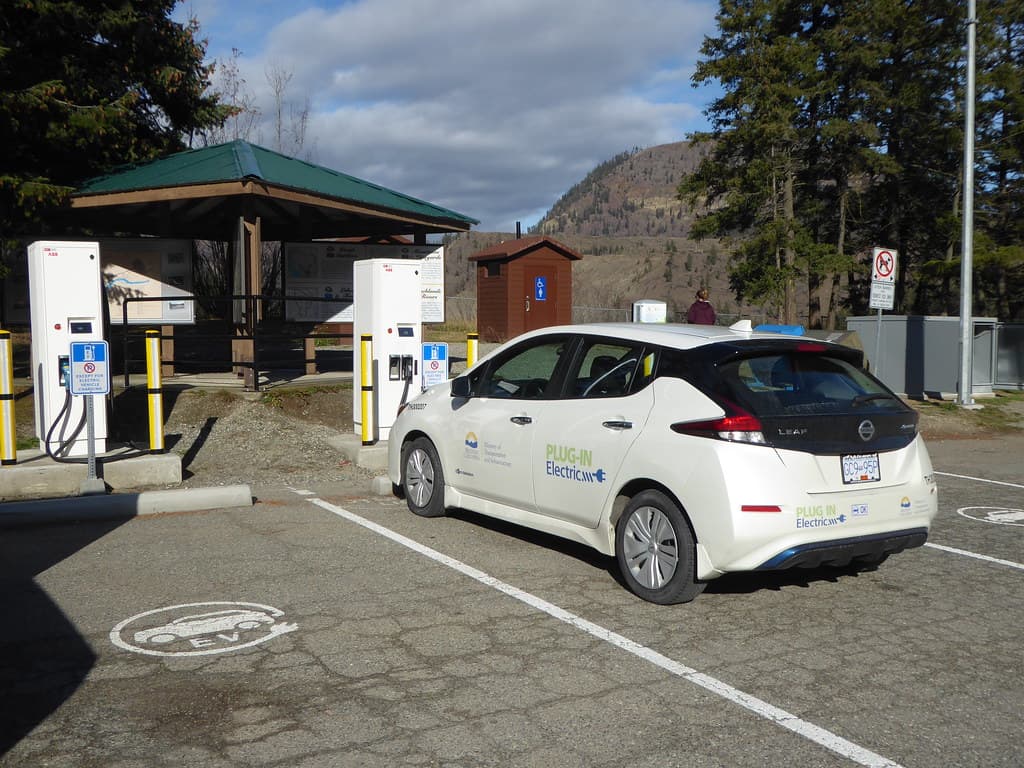
Road tripping in an EV in 2026 is not the same experience it was four years ago. The US has over 72,500 public DC fast charging ports, up from roughly 26,000 in 2022. NACS has become the standard connector for new EVs across virtually every major brand. Tesla's V4 Superchargers are running at 500 kW peak at key highway locations. For most major corridors, the infrastructure question is solved. The planning question — which stations to actually rely on, when to stop, and how to handle an outlier — is where mistakes still happen.
Route Planning: Use ABRP
A Better Route Planner (ABRP) is the right tool. It models your specific vehicle's energy consumption curve, adjusts for elevation and ambient temperature, and pulls live charger status from PlugShare and network APIs. Put in your vehicle, departure charge level, and destination. ABRP gives you stops, target arrival SoC at each one, and expected charge time. Do one thing: set your minimum arrival SoC to 10–15%, not the default. That buffer covers an occupied stall or a station running slower than advertised. Don't skip it.
Network Reliability: Know the Hierarchy
| Network | Reliability | Best Use | Notes |
|---|---|---|---|
| Tesla Supercharger | 99.95% uptime | Highway travel | The standard everything else gets measured against. Open to non-Tesla via NACS. |
| Electrify America | ~95% uptime (2025) | Highway corridors | Much improved from 2022 lows. Varies by location — check recent PlugShare reviews before relying on a stop. |
| ChargePoint | Variable | Metro areas | Fine in cities. Thinner highway coverage — don't make it a primary highway stop. |
| EVgo | Variable | Metro areas | Urban-focused. Not reliable for highway-dependent routing. |
| Blink | Variable | Backup only | Avoid planning primary stops around Blink if you have alternatives. |
Plan primary highway stops around Supercharger and EA. The others are backups.
Charging Tactics
- Charge to 80% and move on. LFP and NMC both charge fastest below 80% SoC. The time from 80% to 100% is often as long as 10% to 80%. Don't sit there.
- More stops, shorter sessions. Stopping more frequently for less time is almost always faster than fewer long sessions. This feels counterintuitive. It isn't.
- Watch stall adjacency. At multi-stall stations, some stalls share power infrastructure. Charging slows if an adjacent stall is occupied. Cable position matters — check before you plug in.
- Arrive with 10–20% remaining. The last 15% of range is slow to recover and the stress of running close to zero isn't worth the few minutes saved.
If Your Car Still Uses CCS1
For 2023 and earlier non-Tesla EVs, the adapter situation has improved. Tesla sells a CCS-to-NACS adapter for Supercharger access. EA and most networks remain CCS1-native with NACS adapters at newer stations. PlugShare filtered to your connector type and a minimum of 50 kW is the best live tool when ABRP's routing hits a dead station.