

Section 25D Battery Storage Credit Is Gone for New Installs — But 2025 Filers Still Have Until October
The IRA's 30% battery storage credit was terminated December 31, 2025. Installed in 2025? You have until October 15 to claim it on an extended return.
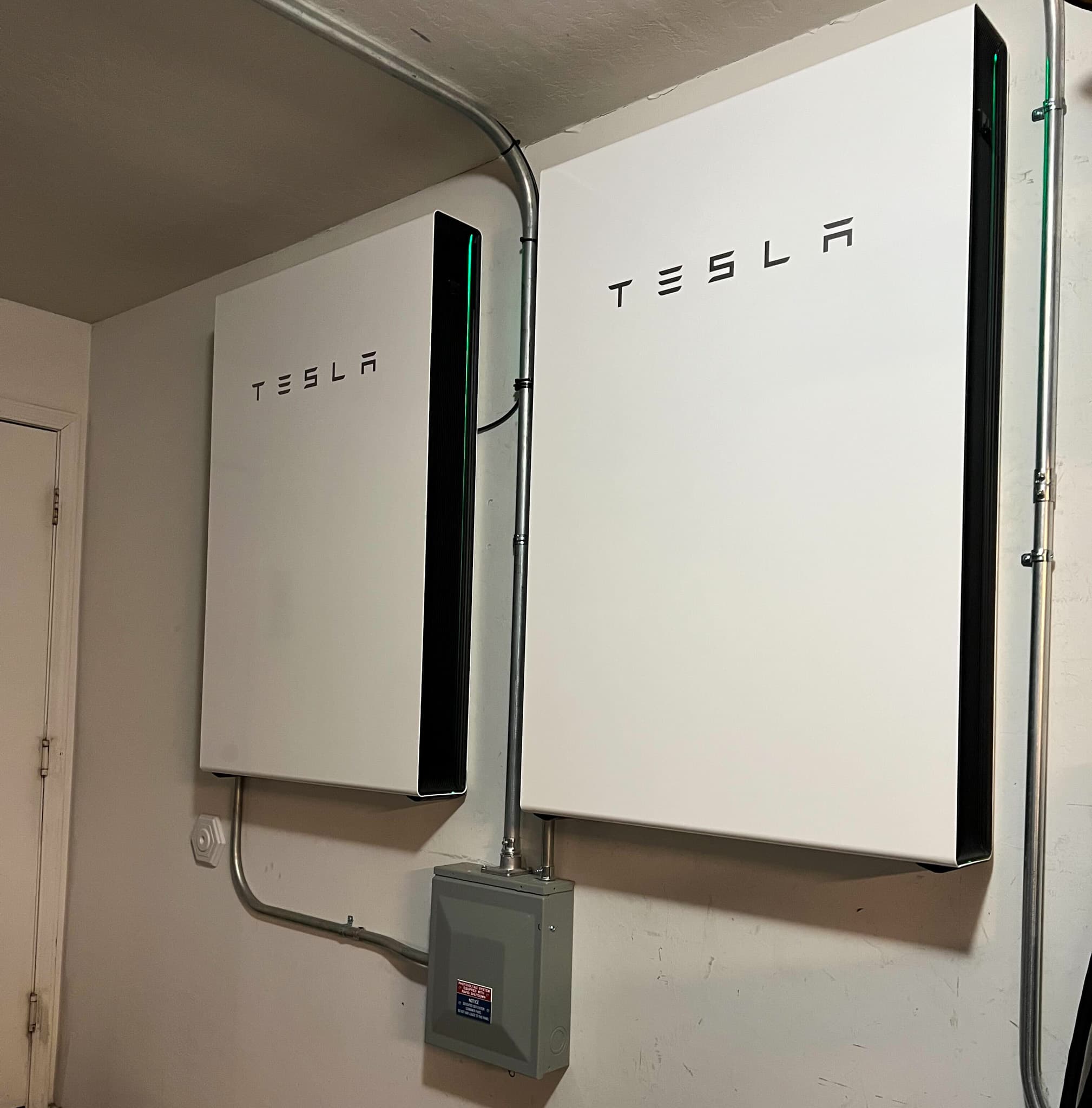
The Section 25D residential clean energy credit for standalone battery storage is over for new installs — but not necessarily for yours. The Inflation Reduction Act (August 2022) expanded Section 25D to cover battery storage systems of at least 3 kWh installed without solar, effective January 1, 2023. That removed a longstanding solar-pairing requirement and opened three years of eligibility for DIY and professionally installed battery systems alike. Then the One Big Beautiful Bill Act (OBBBA), signed July 4, 2025 as Public Law 119-21, terminated Section 25D for all residential systems placed in service after December 31, 2025. If you're installing a home battery today, there is no federal 30% credit waiting for you.
The Clock Is Still Running for 2025 Filers
If your system went in during 2025, the credit is still claimable — but the window is closing. The standard April 15 filing deadline has passed for most filers. Key deadlines:
- October 15, 2026: Deadline for anyone who filed a federal extension — the last date to file your 2025 return and claim the credit.
- Amended return (Form 1040-X): Available for homeowners who filed their 2025 return on time without claiming a qualifying battery install. File to recover the credit.
- 2023 and 2024 installs: Amendments to prior-year returns are still available within the standard three-year window from the original filing date.
What the Credit Covered
The credit is 30% of qualifying costs for systems installed between January 1, 2023 and December 31, 2025, with no cap on system size. A 20 kWh system installed professionally at $8,000–$10,000 generated a $2,400–$3,000 credit — both materials and installation labor qualify under Section 25D for professional installs. For DIY builders who self-installed, only materials costs apply: a community-sourced 20 kWh LFP pack built for $2,200 in materials yields a $660 credit. The 3 kWh minimum capacity threshold applies to all systems. One carryforward provision worth knowing: if your 2025 credit exceeds your federal tax liability for the year, the unused portion carries forward to subsequent returns — the carryforward right persists even though new installs no longer qualify.
State Incentives Still Apply
State-level incentives are not affected by the federal termination. California's SGIP rebate program covers standalone storage and remains on the books, though most utility service areas have exhausted their ratepayer-funded budgets and are operating on waitlists as of early 2026. New York, Massachusetts, and Colorado maintain their own clean energy storage credits independent of Section 25D. Verify current program availability before counting on a state rebate — budget exhaustion is real and common.
How to Claim a 2025 Install
Use IRS Form 5695, Part I (Residential Clean Energy Credit). Retain documentation of the installation date, system capacity, and itemized component costs. For post-2025 installations, Section 25D is no longer available to residential homeowners. Battery systems financed through a third-party lease or power purchase agreement may still qualify for the Section 48E commercial clean electricity investment tax credit through 2032 — consult a tax professional for structuring.
2 Replies
View in forum →Texas has no state storage incentive, so the federal 30% standalone credit is the whole story for me. Does the credit apply to individual cells purchased from importers, or only to complete packaged battery systems? I want to confirm the BOM I hand my CPA actually qualifies before I commit to the build.
I already filed my 2025 taxes without an extension. Installed a 13.5kWh DIY LFP pack in November 2025 — materials cost around $1,900. The 30% credit on $1,900 is $570. Is a 1040-X amendment worth it for $570? Genuinely asking — amended returns seem to invite extra scrutiny and I'm not sure the math works once I factor in CPA time.
This changes my math meaningfully. I installed a standalone LFP pack last September and wasn't expecting any federal credit. If this applies retroactively to 2025 as described, that's a $660 credit on my $2,200 materials cost. Filing an amended return is annoying but worth it for $660. Anyone done this yet?
The California SGIP interaction is worth reading carefully. SGIP already covered standalone storage; this aligns federal with state for the first time. For California residents combining both, the effective payback period on a DIY LFP system is genuinely under 4 years in some TOU scenarios. Full article has the math.
The Form 5695 hasn't been updated yet per the article — attach a written statement citing Notice 2026-31. I'd recommend keeping the original component invoices, the cell spec sheets (so the IRS can verify kWh capacity), and your BMS datasheet in one folder. The 3 kWh minimum is easy to hit even on small builds.