

The Used EV Tax Credit Ended September 30 — What It Covered and What Buyers Do Now
The $4,000 Section 25E used EV credit was terminated for vehicles acquired after September 30, 2025. Here's what it covered and where buyers stand today.
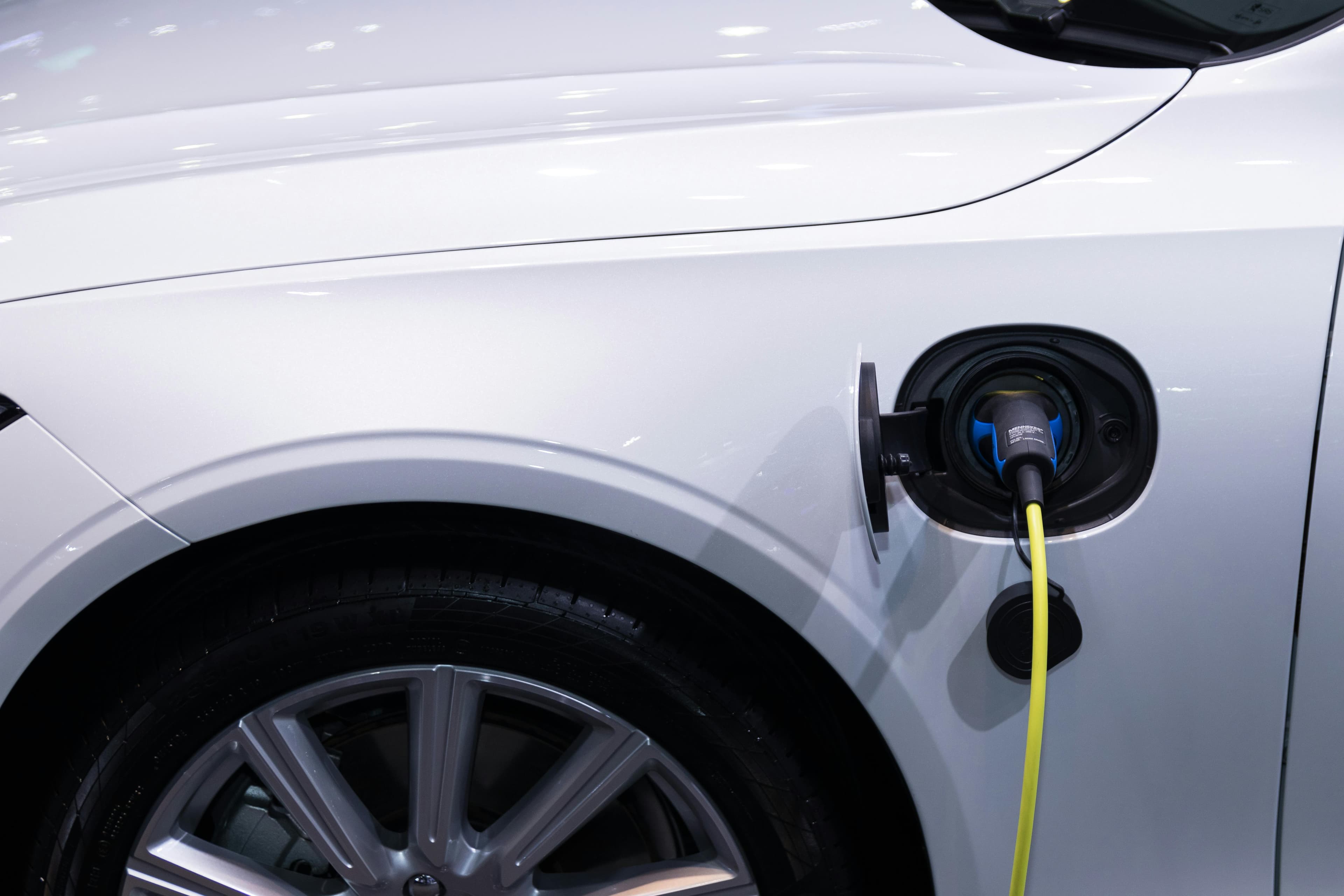
The One Big Beautiful Bill Act (OBBBA), signed into law July 4, 2025 as Public Law 119-21, terminated both the new clean vehicle credit (Section 30D) and the used clean vehicle credit (Section 25E) for vehicles acquired after September 30, 2025. The termination was abrupt — not a phase-down — and applied to both credits simultaneously. The result was a significant surge in EV purchases in the weeks before the October 1 deadline, followed by a sharp sales drop in Q4 2025. For buyers purchasing a used EV today, there is no federal tax credit available regardless of vehicle type, price, or income.
What Section 25E Covered While It Was Active
While Section 25E was active, the credit terms were:
- Credit amount: 30% of the vehicle's sale price, capped at $4,000
- Maximum sale price: $25,000
- Vehicle age: At least two model years older than the year of purchase
- Purchase source: Licensed dealers only (no private party sales)
- Income limits: $150,000 MAGI for married filing jointly; $112,500 for head of household; $75,000 for single filers
The credit was non-refundable but could be transferred to the dealer at point of sale, reducing the purchase price directly. Unlike Section 25D, Section 25E had no carryforward provision — unused credit was simply lost.
Which Vehicles Qualified
The $25,000 price cap was the most common eligibility barrier. Used EVs from the 2022–2023 model years frequently appeared below the cap in dealer inventory, including the Chevrolet Bolt, Nissan Leaf, and older Tesla Model 3 Standard Range, as did many 2020–2021 plug-in hybrids. Used credit eligibility was determined primarily by price, vehicle age, and dealer registration with the IRS Energy Credits Online portal — not a published model-by-model list the way Section 30D operated.
Retroactive Claims: Still Available
The IRS's Energy Credits Online portal remains accessible for dealers still processing retroactive transfers for qualifying purchases made before October 1, 2025. Buyers who purchased a qualifying used EV before the deadline and used the dealer transfer mechanism should confirm their dealer completed the IRS registration. If the credit was claimed on the buyer's tax return rather than transferred, Form 8936 covers both new and used clean vehicle credits. Amended returns for pre-October 2025 qualifying purchases remain available within the standard three-year window.
Buying a Used EV Today: Where the Economics Stand
Without a federal credit, the economics of a used EV purchase rest on vehicle price, state incentives, charging cost savings, and expected maintenance savings relative to a comparable ICE (internal combustion engine) vehicle. Several states maintain used EV incentives independent of the federal program: Colorado's income-qualified used EV rebate, Connecticut's CHEAPR program, and New York's Drive Clean Rebate all cover used EVs or plug-in hybrids on state-specific terms. Verify current program availability through your state's energy office before completing a purchase — state budgets are finite and program status changes.