

Sodium-Ion Is Ready for DIY: What the New Chemistry Means for Your Next Home Battery Build
CATL Naxtra cells hit 175 Wh/kg with 10,000+ cycles and 93% capacity at −30°C. Sodium-ion cells are available under $70/kWh. The honest case for switching.
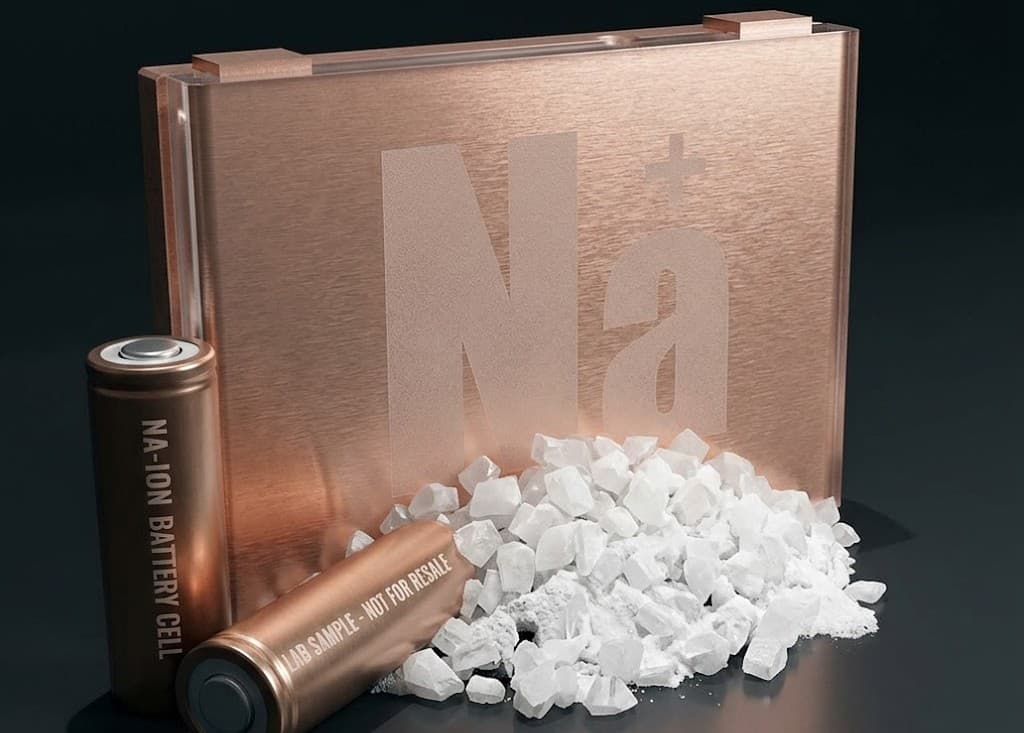
Sodium-ion battery chemistry has crossed the line from industry curiosity to viable DIY option in 2026. CATL's Naxtra cells — the first sodium-ion cells from a tier-1 manufacturer targeting retail-accessible channels — change the cold-weather calculus for northern builders in particular: LFP requires active heating to charge safely below 0°C and loses roughly 40% usable capacity at −20°C. A sodium-ion pack in a Minnesota garage in January behaves roughly like an LFP pack in a California garage in July.
Sodium-Ion vs. LFP: Key Specs at a Glance
| Spec | Sodium-Ion (Naxtra 210Ah) | LFP (280Ah Grade-A) |
|---|---|---|
| Gravimetric energy density | 175 Wh/kg | 160–180 Wh/kg |
| Cycle life (to 80% capacity) | 10,000+ | 6,000–10,000 |
| Capacity at −30°C | 93% — no active heating needed | ~60% at −20°C; requires heating below 0°C |
| Nominal cell voltage | 3.0V | 3.2V |
| Charge / discharge range | 2.0V – 4.0V | 2.5V – 3.65V |
| Safe storage / shipping | 0V — fully dischargeable without damage | 2.5V minimum; copper collector damage below ~2.0V |
| Current US price | $55–75 / cell | $65–70 / cell |
One trade-off that doesn't appear in a spec sheet: sodium-ion cells are physically larger per kWh than equivalent LFP cells. For garage installations with generous enclosures this is irrelevant. For tight vehicle conversions or closet-mounted systems, it matters.
Building a 20 kWh System: The Numbers
At 3.0V nominal, a 210Ah sodium-ion cell holds approximately 0.63 kWh. A standard 48V configuration uses 16 cells in series (16 × 3.0V = 48V nominal), giving 48V × 210Ah = 10.08 kWh per string. For a 20 kWh system, two strings in parallel (16S2P) deliver approximately 20.2 kWh nameplate. At $65/cell × 32 cells = $2,080 in cells — comparable to current LFP pricing for the same usable energy.
Inverter compatibility — don't skip this step: At 2.0V per cell, a 16S sodium-ion pack drops to 32V fully discharged — well below the 40–42V hard low-voltage cutoff built into most standard 48V inverters (EG4, Sol-Ark, Victron MultiPlus). The result: your inverter shuts down when cells are still at ~2.5V, leaving roughly 20–25% of rated capacity permanently inaccessible. The fix is to size up to 17S (51V nominal, 34V floor) or 18S (54V nominal, 36V floor). Both configurations work with standard 48V inverter hardware — you just need to confirm your inverter's low-voltage cutoff is set at or below 40V in settings.
BMS Compatibility
BMS compatibility is the key practical question. Most JK BMS units support programmable cell voltage parameters, and sodium-ion's wider charge/discharge range (2.0V–4.0V versus LFP's 2.5V–3.65V) requires a correctly configured profile. A firmware update released earlier this year added a pre-configured sodium-ion profile to the JK BMS that handles SoC estimation correctly — the previous sticking point was accurate state-of-charge calculation given sodium-ion's steeper voltage curve compared to LFP's characteristically flat discharge. Several community members have documented successful configurations in the forum's battery build threads.
Safety Profile
Sodium-ion cells have a meaningful safety advantage over both LFP and NMC that rarely gets the attention it deserves: they can be safely discharged to absolute 0V without damaging the current collectors. LFP and NMC cells use copper current collectors that corrode irreversibly below ~2.0V; sodium-ion cells use different materials that tolerate full discharge. In practice this means sodium-ion cells can be shipped and stored completely flat — no fire risk from deep-discharge damage, no voltage maintenance required during long storage. For builders who have ever received a damaged LFP shipment with cells at 0V and wondered if they were compromised, sodium-ion removes that concern entirely.
Should You Switch from LFP?
The case depends almost entirely on where you're building:
- Cold climate (regularly below −10°C at the battery location): Sodium-ion eliminates the heating requirement and the winter capacity penalty — a clear win for both system simplicity and year-round performance.
- Temperate climate: LFP's proven cost per kWh, cycle life, and more mature importer network make it the safer default for new builders.
- Chemistry diversification: For builders who want to reduce dependence on lithium supply chains, sodium-ion is a legitimate alternative — not a compromise.
The community's current consensus: sodium-ion earns a genuine recommendation for cold-climate builds. For everyone else, LFP remains the default until sodium-ion importers establish the same track record.
14 Replies
View in forum →A few things the electrochemistry supports that this thread hasn't fully addressed.
The low-temperature charge performance advantage is structural, not a marketing claim. Hard carbon anodes accept sodium ions without the plating risk that limits graphite at low temperatures because the insertion mechanism is fundamentally different — sodium inserts into disordered carbon structure rather than intercalating between ordered graphite planes. The "charge at −20°C without anode damage" claim holds up because of how the reaction works physically, not because of a design optimization.
What DIY builders should model carefully and this thread hasn't mentioned: first-cycle irreversible capacity loss in Na-ion is higher than mature LFP — typically 12–18% versus 5–8%. A '100Ah' sodium-ion cell will deliver roughly 83–88Ah after the first cycle and stabilize in that range. The practical consequence: rate your cells after three formation cycles at 0.2C, not on the first discharge, or your BMS will be configured against the wrong baseline from day one.
Energy density at the cell level is approaching practical LFP parity in the 150–160 Wh/kg range — not competitive with NMC, but for stationary storage where volumetric constraints are minimal, the cost trajectory and cycle stability are worth building a second-generation system around. Just don't configure it like an LFP pack.
Been asking this community for a cold-weather LFP alternative for two years and this might finally be the answer. The 93% capacity at −30°C number lines up with the kind of number I actually trust, because it's specific and it's the coldest end of my normal operating range, not a marketing-friendly −10°C. Ordering test cells this week. If the no-heating-required claim holds up in an actual Duluth garage this winter I'm rebuilding my whole system.
New chemistry, same promise: revolutionary for everyone except the people actually trying to buy it.
Cold's not my problem. Pass.
The 16S-to-17S/18S inverter reconfiguration point is the detail that will bite people who skim this article and start ordering cells. A 16S sodium-ion pack at 2.0V floor drops to 32V — below the hard cutoff on most 48V inverter hardware — and you lose real usable capacity you already paid for. Read the inverter settings section twice before you buy cells, not after. This is exactly the kind of format-vs-chemistry mismatch that trips up experienced LFP builders who assume the numbers transfer directly.
Does the JK BMS sodium-ion profile work on the older BMS units or only the newest firmware?
Running the numbers on whether to add sodium-ion alongside my existing 30kWh LFP bank instead of replacing it outright. Central Idaho gets cold but not brutally so — my array already handles most winter demand with the LFP heating circuit I built. The case for switching entirely doesn't quite clear the bar for my climate per this article's own conclusion. Might add a small sodium-ion string just for the deep-winter margin instead of a full rebuild.
Cold climate: switch. Everyone else: stay on LFP. Article said it, I'm repeating it.
Zero relevance to a Phoenix garage. Interesting read anyway.
Checked current importer listings against the $55-75/cell figure in this piece and it holds up as of this week, though the range is wide depending on quantity and importer. Availability is still thinner than LFP — expect fewer vetted suppliers and less per-cell test data included with shipments compared to the mature EVE/REPT pipeline. Chemistry looks solid. Supply chain is still catching up to LFP's maturity.
A cell that survives full discharge without damage is going straight on my someday-build list.
The 0V storage tolerance matters more than it might seem to someone ordering from a city with same-week delivery. Out here shipments sit in a regional depot longer than they should, sometimes weeks. Not worrying about voltage maintenance during that window, or whether a cell arrived compromised at 0V, removes one more variable from an already unpredictable supply chain.
Half these specs go over my head but "doesn't need a heater in winter" I understand completely.
Reading this as someone converting a boat, not a house or a car, so take the parallel for what it's worth. Weight isn't my constraint the way it is for a vehicle build — hull displacement swallows a lot of forgiveness — but the cold-water angle genuinely matters for me in a way I didn't expect going in. Cold water pulls heat out of a battery enclosure faster than cold air does, even with decent insulation, so the −30°C number in this piece actually reads as relevant data for a marine pack, not just a Duluth-garage problem. The first-cycle capacity loss BatteryNerd92 flagged is what I'd actually worry about more than the cold tolerance, though — rating a pack wrong on a boat with no convenient roadside rescue is a worse day than rating it wrong in a driveway. Watching this chemistry closely. Might be the weirdo asking sodium-ion questions in the marine conversion threads by next season.