

USDA REAP Grants for Battery Storage: What Agricultural Producers and Rural Businesses Actually Qualify For
USDA REAP covers battery storage paired with renewables. Rural farms and small businesses can claim grants up to 50% of project cost. Here's what qualifies.
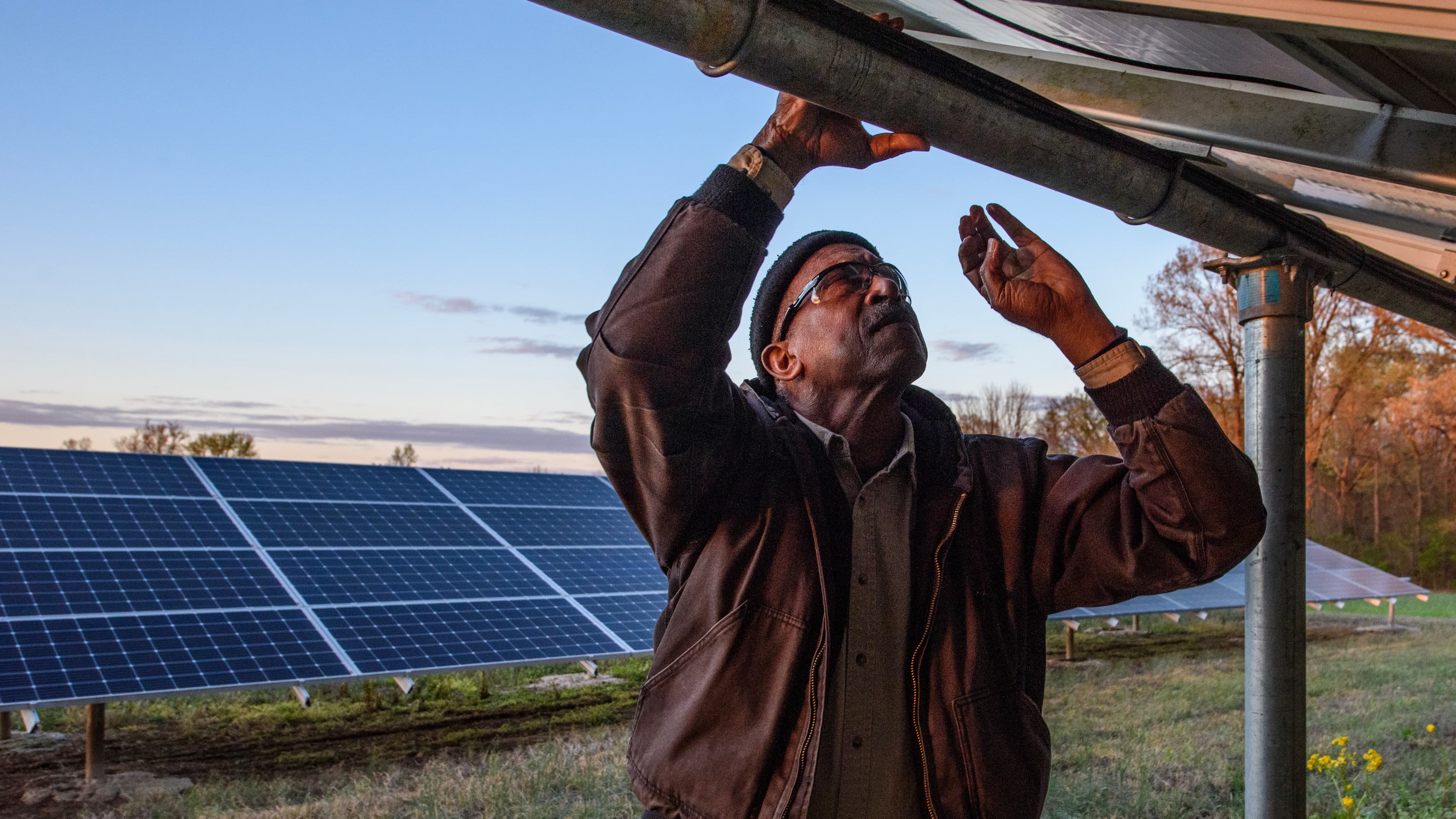
The Rural Energy for America Program (REAP), administered by the USDA, has funded renewable energy and energy efficiency projects for agricultural producers and rural small businesses since 2002. The Inflation Reduction Act changed the program's scope significantly starting with fiscal year 2023 funding: battery storage became eligible, energy audit requirements were reduced for many application types, and the per-project grant ceiling rose to $1 million for renewable energy systems.
One Critical Clarification First
A standalone battery storage project — a battery with no associated renewable energy system — is not eligible under REAP. Battery storage is only eligible when it is being added to an existing renewable energy system already owned by the applicant, or when it is integrated as part of a new solar, wind, or other renewable energy project in the same application. A purely standalone battery without a renewable energy pairing does not qualify for a REAP grant. This is the most common misconception in the program.
What the Grant Covers
REAP grants cover up to 50% of total eligible project costs for renewable energy systems, with a maximum of $1 million per application. The minimum grant threshold is $2,500. Battery storage qualifies under the renewable energy system category when paired with an eligible renewable project on qualifying agricultural property or rural small business. The program does not cover residential homeowner installations — that distinction is the second most common eligibility confusion. A working farm installing battery storage alongside a solar array for agricultural operations qualifies; a homeowner on a rural lot without agricultural income does not.
Who Qualifies
Eligible applicants include:
- Agricultural producers: Farmers and ranchers with at least 50% of gross income from agricultural operations
- Rural small businesses: Located in communities with fewer than 50,000 residents outside of urbanized areas (the USDA's definition of 'rural')
- Cooperatives, tribal entities, and local governments: Eligible for a separate REAP loan guarantee component rather than the grant program
Program Status and How to Apply
The FY2025–2027 Notice of Funding Opportunity was published in the Federal Register on October 16, 2024, but the program experienced disruptions in mid-2025. The Trump administration froze IRA-funded grants in early 2025, and USDA paused new REAP applications from July through September 2025. As of October 2025, USDA anticipated reopening FY2026 applications — but prospective applicants should verify current status directly with their state USDA Rural Development office before committing to a project timeline.
The application requires two competitive bids for the project, a project narrative, and basic financial documentation. For systems under $200,000, the simplified application is available without a technical report. Processing time from application to award decision is typically 60–90 days. The USDA's eligibility map and application portal are at rd.usda.gov/programs-services/energy-programs/rural-energy-america-program-renewable-energy-systems-energy-efficiency.