

The Electric Cars Americans Can't Buy—But Should Be Able To
Nine electric vehicles sold successfully in Europe, Asia, and China remain unavailable to American buyers — some blocked by tariffs and security rules, others withheld by automakers who've simply decided Americans won't buy them.
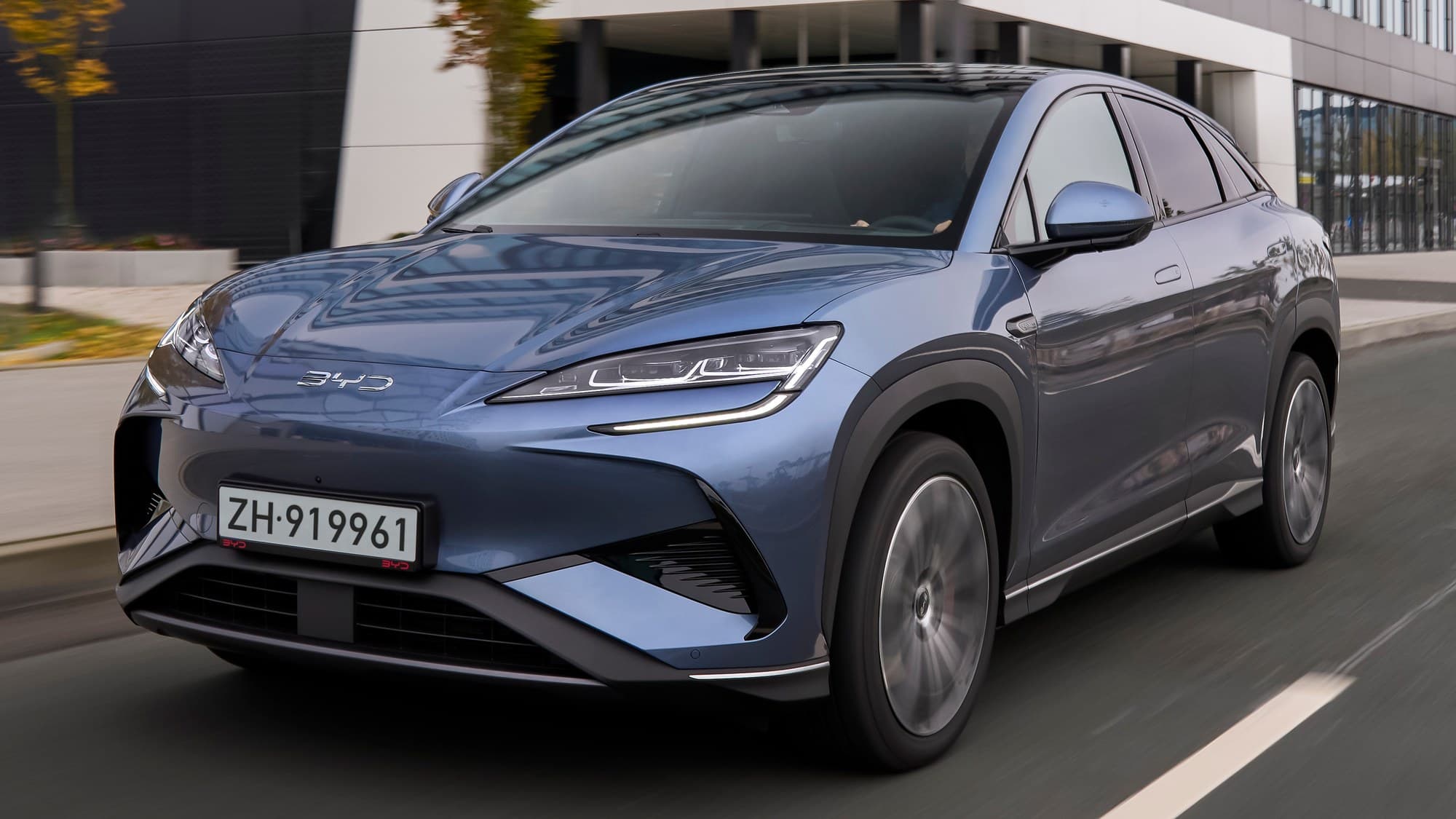
If you walked into a dealership in Germany, China, South Korea, or Australia today, you might wonder why the U.S. electric vehicle market feels so…limited.
Not because America lacks good EVs. Buyers can choose from Teslas, Rivians, Ford's Mustang Mach-E, Hyundai's Ioniq lineup, Kia's EVs, Chevrolet's Equinox EV and Blazer EV, Cadillac's expanding portfolio, and a growing list of premium offerings from BMW, Mercedes-Benz, Volvo, and Lucid.
The problem is what isn't here.
In many cases, these aren't obscure compliance cars or low-volume experiments. They're mainstream models selling in significant numbers overseas, filling market segments that barely exist in the United States. Across Europe and Asia, automakers offer affordable electric hatchbacks, compact lifestyle pickups, luxury SUVs loaded with cutting-edge technology, and performance sedans that rival six-figure sports cars.
The missing cars fall into two very different categories, and the distinction matters. Some are kept out by policy: tariffs and security rules that have effectively closed the U.S. market to Chinese-built EVs. Others are absent by choice—automakers with established American dealer networks and decades of experience meeting U.S. safety regulations who have simply decided Americans won't buy them.
Here are nine electric vehicles Americans should at least have the opportunity to buy.
Part One: Kept Out by Choice
Renault 5 E-Tech: The Affordable Hatchback People Actually Want
For decades, affordable cars were often described as "appliance transportation"—inexpensive, practical, and almost intentionally forgettable.
The Renault 5 E-Tech rejects that philosophy entirely.
More than 100,000 have been delivered since launch, and it won 2025 European Car of the Year—making it one of Europe's most successful new electric vehicles.
Its styling pays homage to the original Renault 5 of the 1970s, with squared-off headlights, sculpted fenders, and playful design cues that make it stand out in a parking lot. Starting around €25,000 (roughly $28,500) with up to 250 miles of WLTP-rated range from a 52-kWh battery, it proves that an entry-level EV doesn't have to feel like an appliance.
The United States has surprisingly few affordable electric cars that buyers actually aspire to own, and the math has only become more difficult since the $7,500 federal tax credit expired last year. The Chevrolet Equinox EV lowered the cost of entry into electric crossovers, but buyers who simply want a small, efficient hatchback have almost no options. Renault has no announced U.S. plans—but nothing in Washington is preventing the company from bringing one.
Hyundai Inster: The City Car From a Brand Already Here
The Inster is perhaps the strongest evidence that trade policy alone doesn't explain America's EV gap.
Hyundai already sells vehicles nationwide, understands U.S. crash standards, and manufactures EVs in Georgia. Yet its smallest and arguably most charming electric vehicle remains overseas.
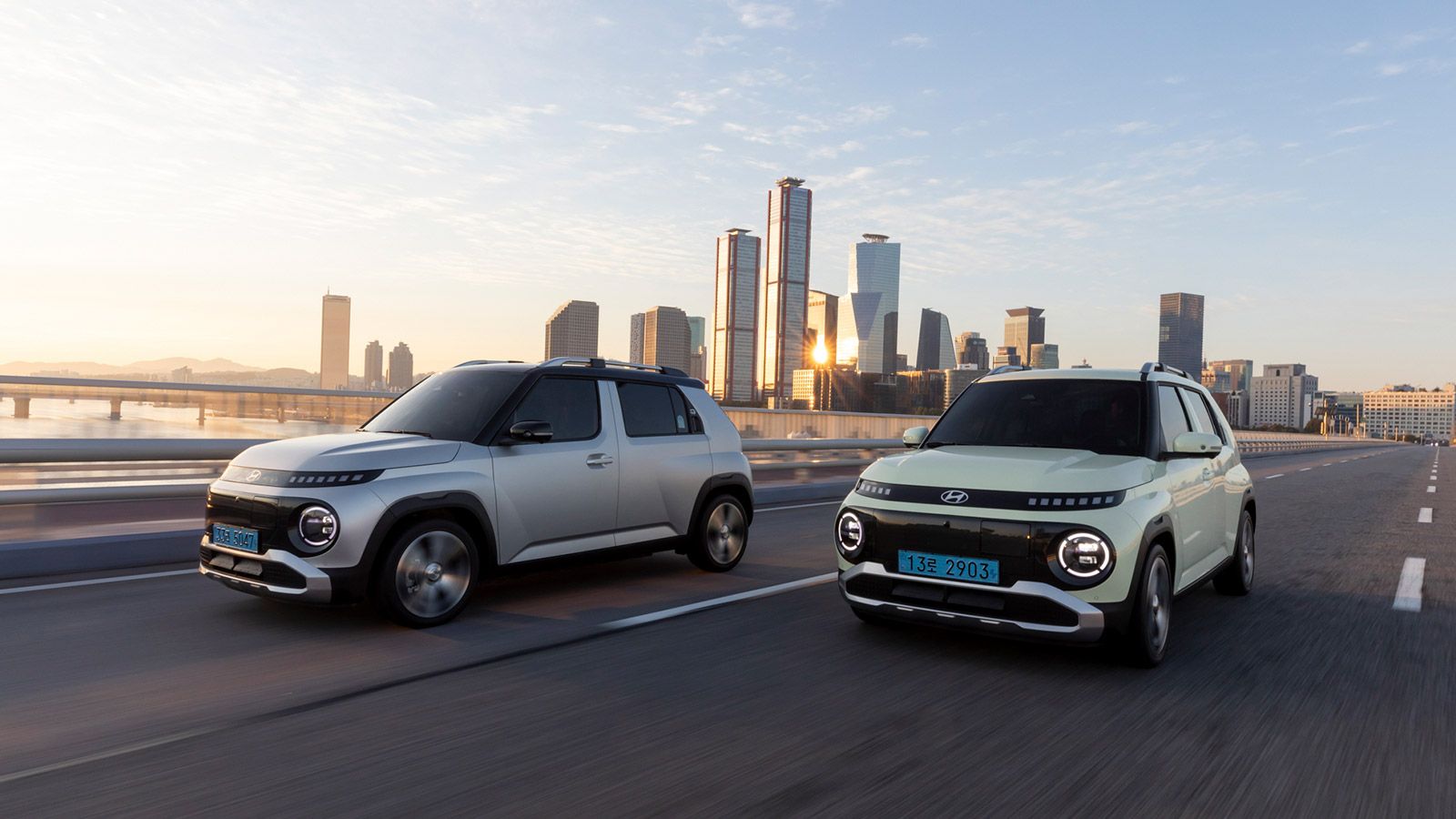
Starting around £23,500 in the UK, the Inster offers up to 230 miles of WLTP-rated range, compact dimensions, and rapid charging that can replenish the battery from 10 to 80 percent in roughly 30 minutes. Like all WLTP figures, that range would likely translate to a lower EPA rating in the United States, but it remains impressive for a vehicle of this size.
The Inster won the 2025 World Electric Vehicle award and has quickly become one of Europe's standout small EVs.
These aren't banned cars. They're business decisions—bets that Americans won't embrace smaller electric vehicles. The Inster suggests that assumption deserves another look.
Part Two: Kept Out by Policy
BYD: The Elephant in the Showroom
Any honest list of EVs Americans can't buy begins with BYD.
The Shenzhen-based automaker has become the world's largest seller of battery-electric vehicles, overtaking Tesla while expanding across Europe, Australia, Southeast Asia, and Latin America. Its vertically integrated manufacturing and Blade battery technology have helped redefine what affordable EVs can cost.
Three models illustrate why American buyers should care.
The Seagull, sold in some export markets as the Dolphin Surf, starts near $10,000 in China and demonstrates just how inexpensive a modern EV can be. The Sealion 7 targets the same midsize crossover segment dominated by the Tesla Model Y. The Han L flagship sedan showcases BYD's new Super e-Platform, capable of charging at up to 1,000 kW under ideal conditions—enough to add roughly 250 miles of CLTC-rated range in about five minutes. Like all Chinese CLTC figures, real-world EPA numbers would almost certainly be lower, but the charging technology itself is genuine.
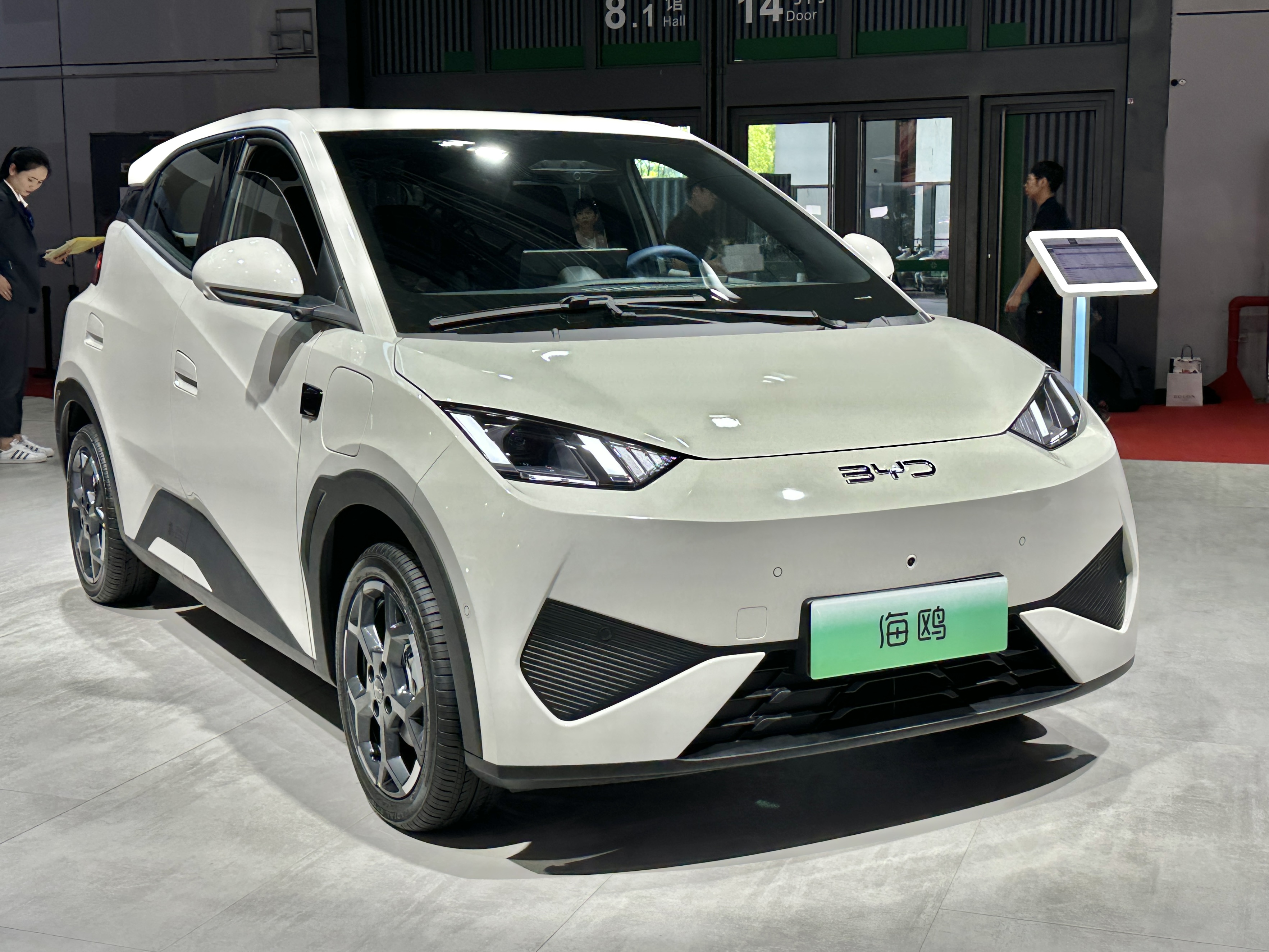
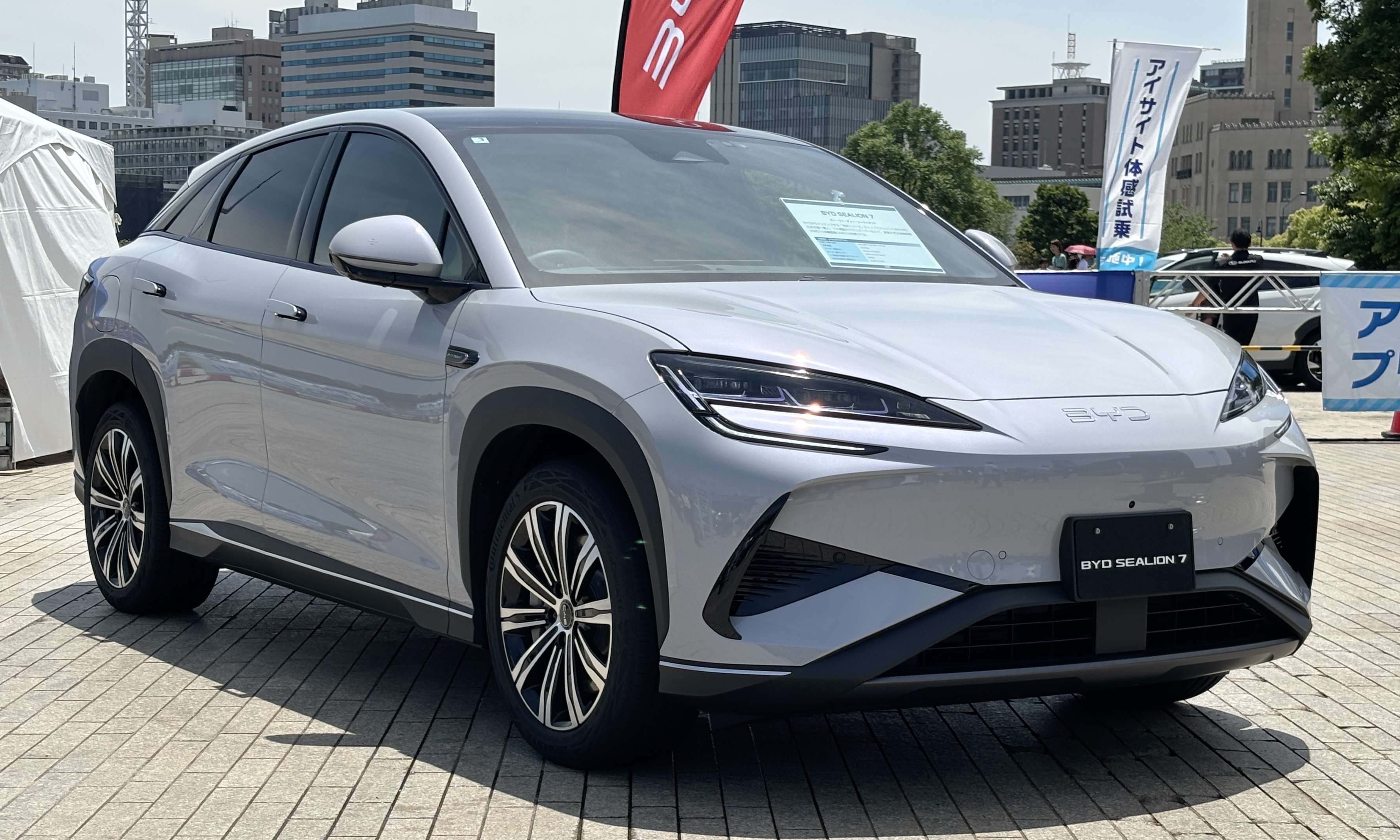
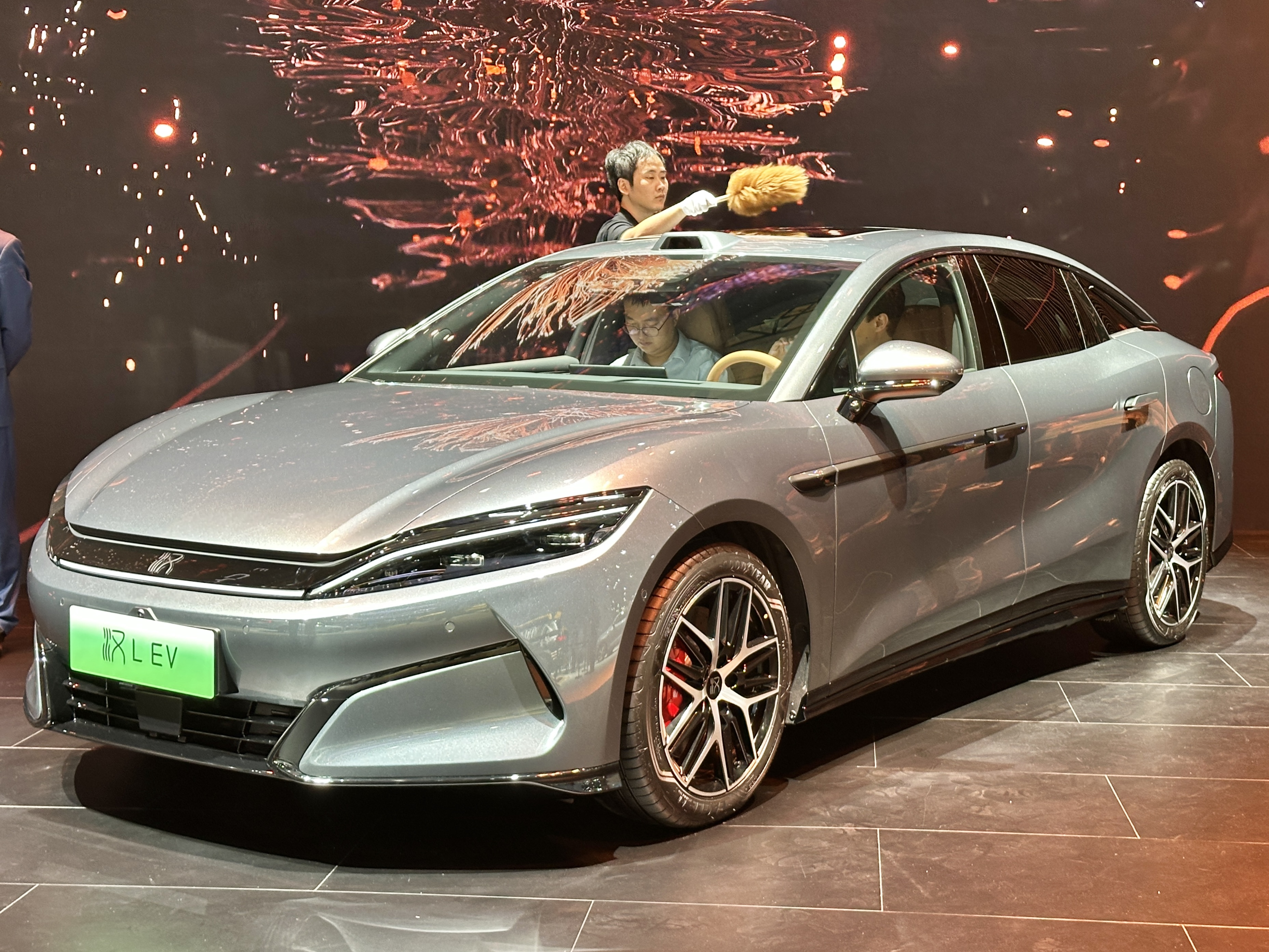
BYD is already building factories in Europe to support international expansion. Under current U.S. trade policy, however, the company has little realistic path into the American market.
Riddara RD6: The Electric Pickup That Isn't Trying to Replace an F-150
Every electric pickup sold in America seems determined to prove it can tow a house.
The Riddara RD6—sold as the Radar RD6 in its home market—takes a different approach.
Built by Geely, the company behind Volvo, Polestar, and Lotus, the RD6 is a midsize unibody pickup designed for people hauling bicycles, camping gear, paddleboards, or supplies for a weekend project—not fifth-wheel trailers.
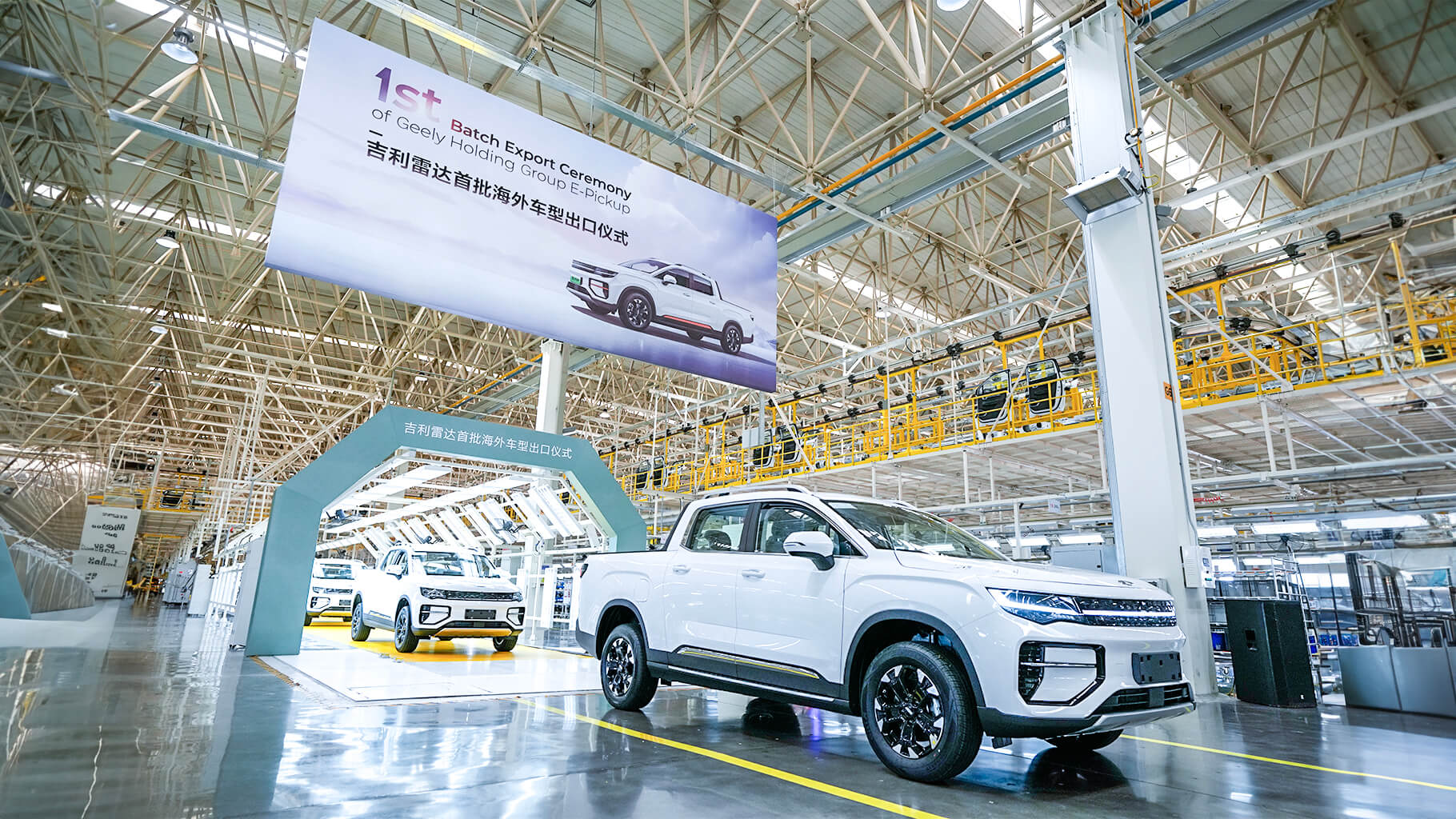
American automakers continue to position electric pickups as premium products, with many models approaching or exceeding $70,000. Yet demand for something smaller is clearly growing. The Ford Maverick demonstrated that compact pickups have an audience, while more than 150,000 reservation holders for Slate's upcoming electric pickup suggest there's strong interest in an affordable EV truck as well.
The RD6 is already on sale in dozens of countries. American buyers simply don't have access to it.
Xiaomi SU7: The Sports Sedan Everyone Is Talking About
When Xiaomi announced it was building a car, many assumed the smartphone maker was chasing headlines.
Instead, it built one of the world's most talked-about electric sedans.
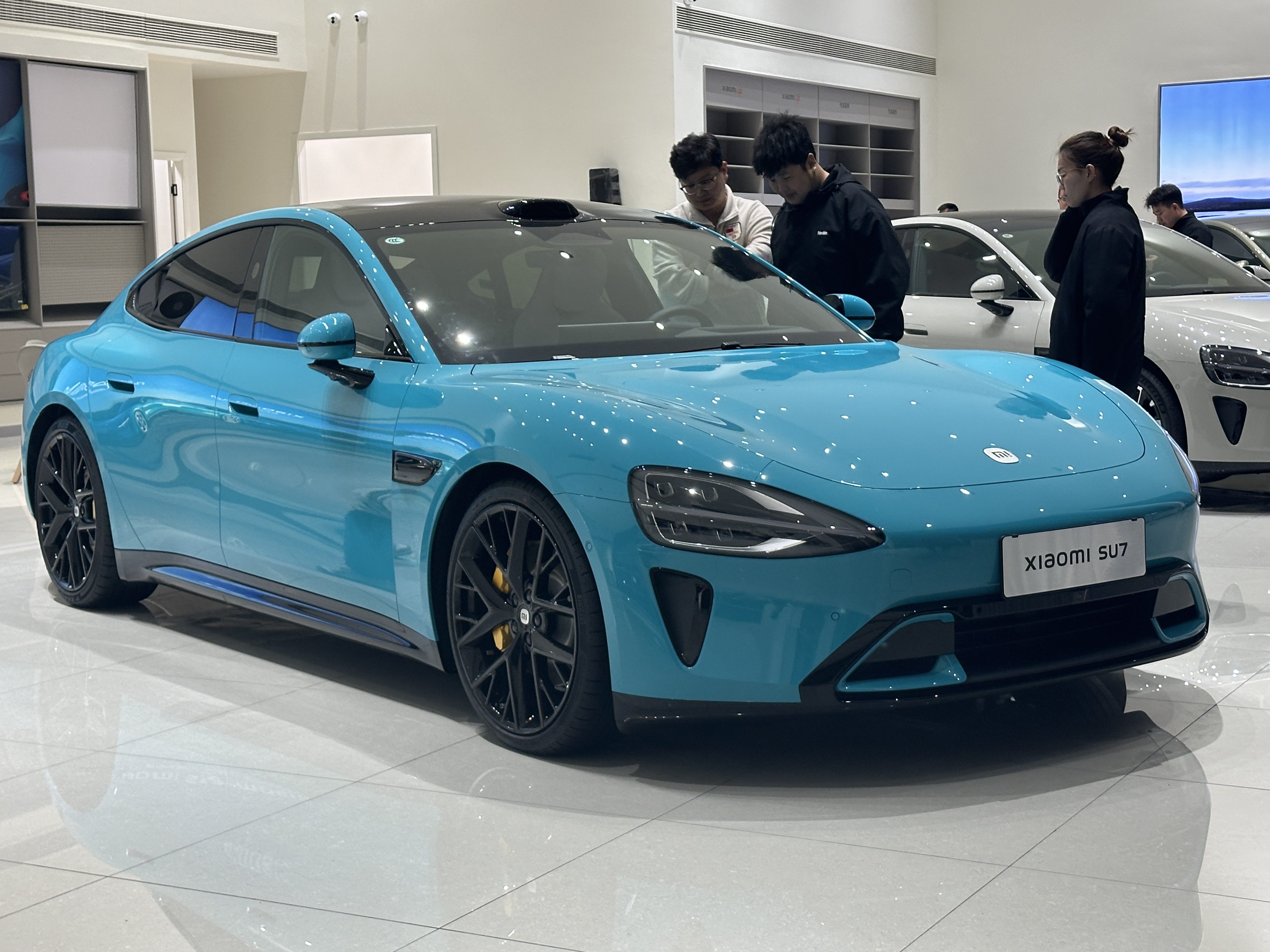
The SU7 combines premium styling, polished software, rapid charging, and strong performance at a price that undercuts many established luxury competitors. Sales have exceeded expectations, and the model has helped demonstrate that China's newest automakers are no longer following established brands—they're increasingly competing with them.
More remarkable than the specifications is what the car represents. Companies that once depended on partnerships with traditional automakers are now developing their own platforms, batteries, and software ecosystems.
The SU7 isn't attracting buyers because it's inexpensive.
It's attracting buyers because it's desirable.
Xiaomi YU7: The SUV America Would Actually Buy
If the SU7 grabs headlines, the YU7 is the vehicle most likely to succeed in America.
It's a midsize electric crossover aimed squarely at the Tesla Model Y, offering long range, modern software, and competitive pricing in the market segment Americans buy more than any other.
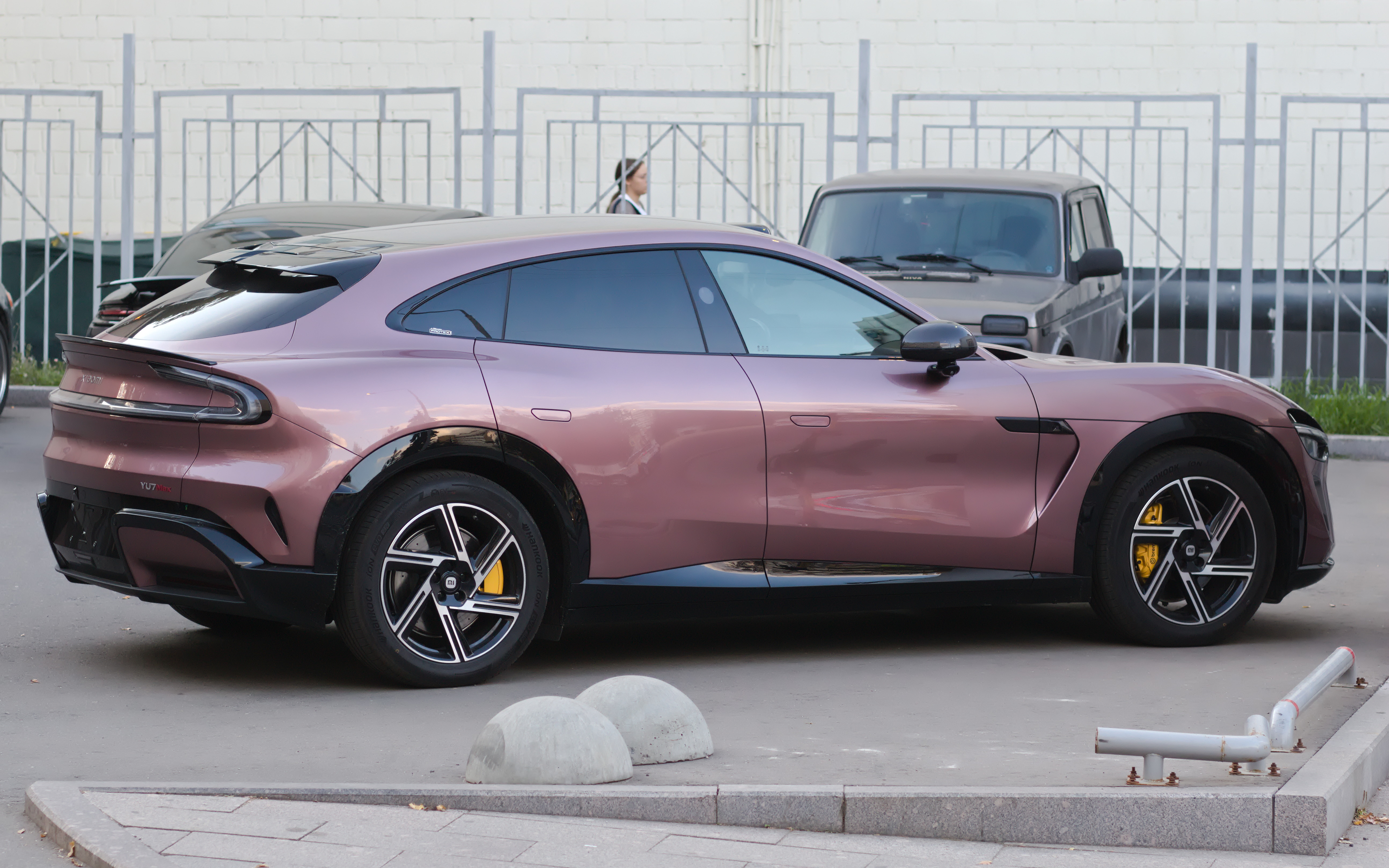
Every argument against importing small European hatchbacks—wrong size, wrong segment, wrong market—disappears here.
The YU7 is exactly the type of vehicle American buyers say they want.
It simply happens to come from Beijing.
MG4: The Hot Hatch America Forgot
Hot hatchbacks have always combined practicality with driving enjoyment, and the MG4 carries that tradition into the electric era.
Its rear-wheel-drive platform and balanced handling have earned praise from reviewers across Europe. More importantly, the newest Chinese-market version became the first mass-produced EV to use a semi-solid-state battery, bringing technology often discussed as a future breakthrough into an affordable production car.
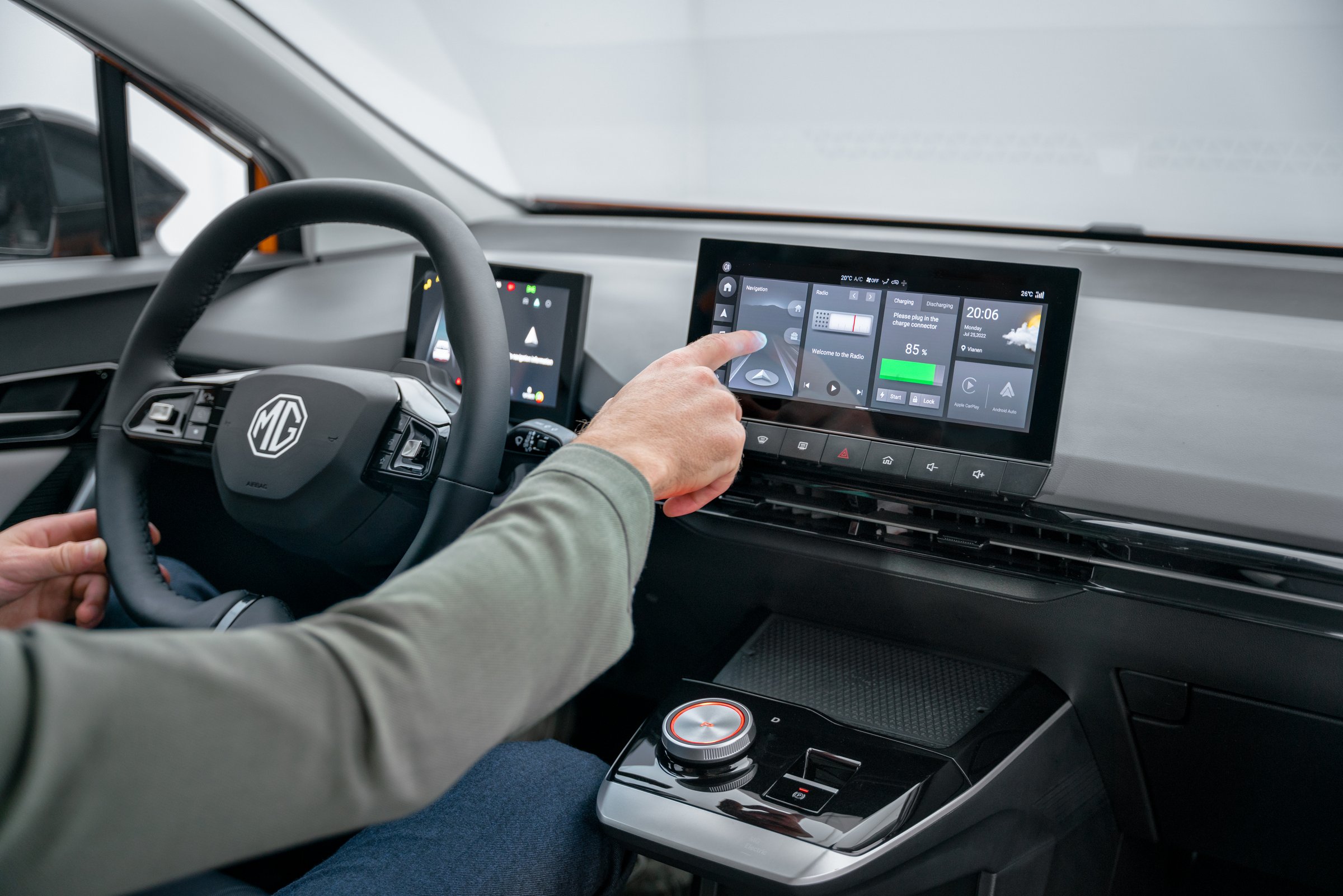
Meanwhile, hatchbacks have largely disappeared from American showrooms as manufacturers chase higher-profit crossovers.
The MG4 demonstrates that small cars can still be exciting—and that meaningful battery innovation isn't limited to six-figure luxury vehicles.
MG Cyberster: The Electric Roadster We Didn't Know We Needed
Ask American enthusiasts what excites them about EVs, and convertibles rarely enter the conversation.
Perhaps they should.
The MG Cyberster is a two-seat electric roadster with dramatic styling, scissor doors, and sports-car performance. It isn't a volume seller, nor is it trying to be.
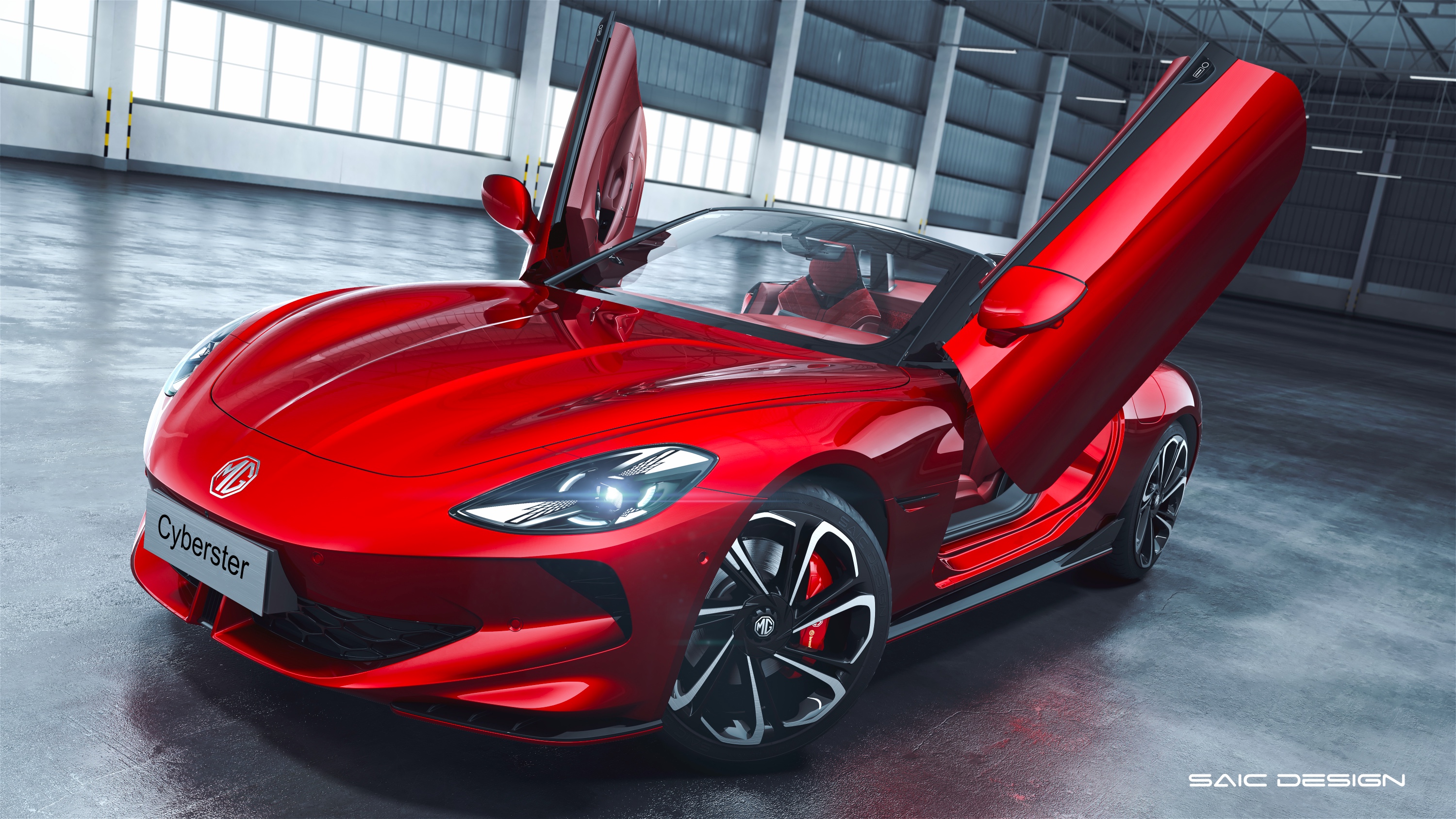
Its significance lies elsewhere.
The United States has almost no electric sports cars below the six-figure price point. The Cyberster proves there is still room for fun in an increasingly SUV-dominated EV market.
Aito M9: The Luxury SUV That Shows How Fast the Market Is Moving
Luxury buyers often assume innovation still flows primarily from Germany.
The Aito M9 suggests otherwise.
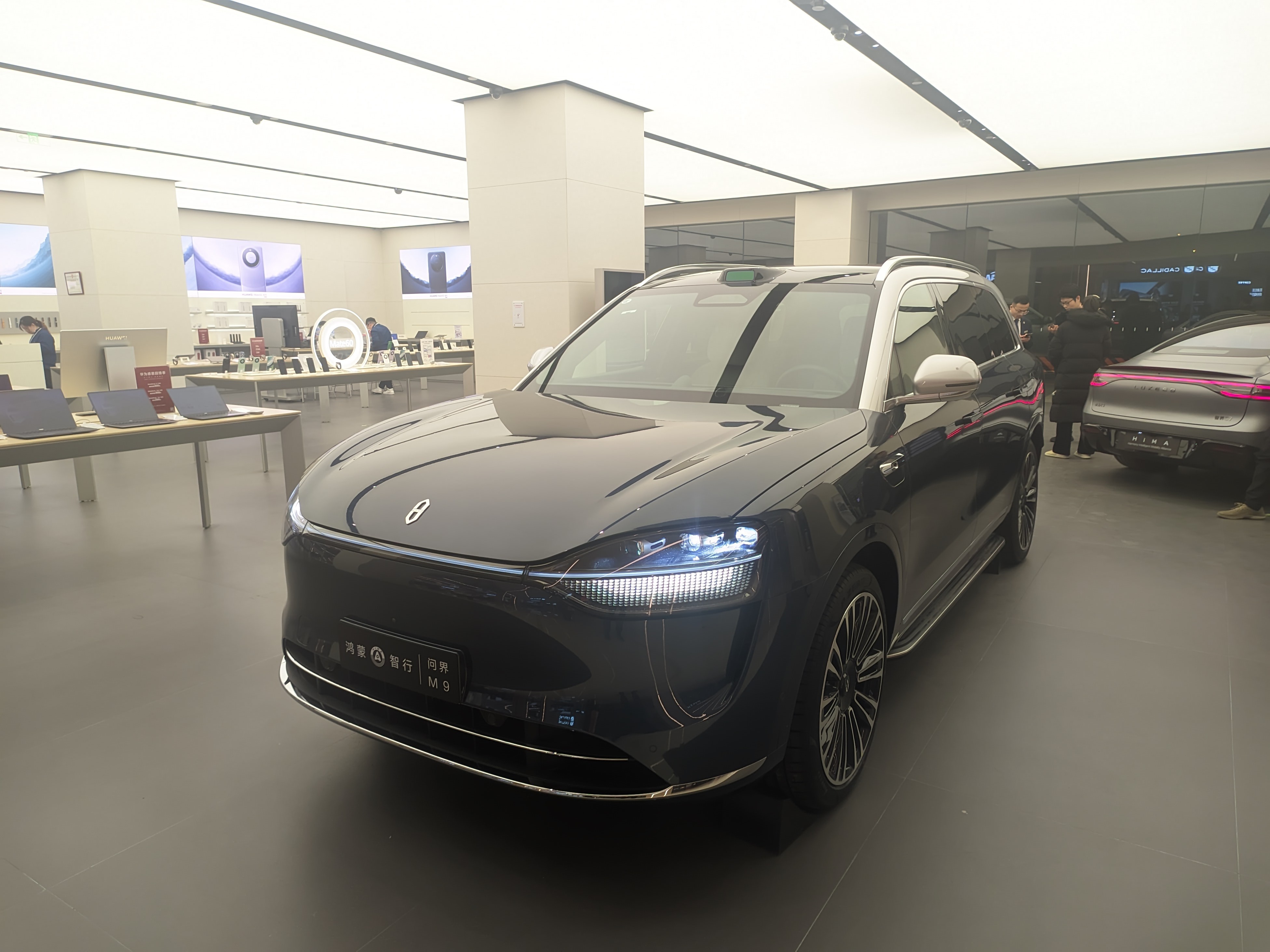
Developed with Huawei, the three-row SUV has become one of China's best-selling vehicles in its price class. Its expansive digital displays, advanced driver-assistance systems, and software-first design philosophy blur the line between automobile and consumer electronics.
Whether American buyers would embrace that level of digital integration remains an open question.
What isn't in doubt is how quickly expectations are changing in the world's most competitive EV market.
How They Compare
| Vehicle | Segment | Est. Price (USD)* | Range* |
|---|---|---|---|
| Renault 5 E-Tech | Hatchback | $29,000–$38,700 | 193–250 mi (WLTP) |
| Hyundai Inster | City car | $29,000–$36,500 | 203–230 mi (WLTP) |
| BYD Seagull / Dolphin Surf | City car | $10,300–$14,400 | Up to 252 mi (CLTC) |
| BYD Sealion 7 | Midsize crossover SUV | $59,000–$74,000 | 283–312 mi (WLTP) |
| BYD Han L | Full-size sedan | $27,400–$37,200 | Up to 435 mi (CLTC) |
| Riddara RD6 | Midsize pickup | $37,900–$46,200 | Up to 321 mi (CLTC) |
| Xiaomi SU7 | Sports sedan | $31,900–$44,000 | Up to 447 mi (CLTC) |
| Xiaomi YU7 | Midsize crossover SUV | $34,400–$57,500 | Up to 438 mi (CLTC) |
| MG4 | Hot hatch | $29,600–$42,800 | 251–338 mi (WLTP) |
| MG Cyberster | Roadster | $69,300–$75,600 | 276–316 mi (WLTP) |
| Aito M9 | Luxury SUV (EREV/BEV) | $70,800+ | ~140–180 mi EV-only (EREV) / up to 873 mi combined |
*Prices and ranges are from each vehicle's home or launch market (China, the UK, or the EU) converted to USD at approximate exchange rates — none of these are U.S. pricing or EPA ratings. WLTP and CLTC test cycles both run more generous than EPA's, so treat the range figures as directional rather than a like-for-like comparison with U.S.-spec EVs. The Aito M9 is sold primarily as an extended-range EV (EREV) with a gasoline range extender rather than a pure battery-electric vehicle; a BEV variant also exists.
Why These Cars Stay Out
Several factors determine whether a foreign-market EV ever reaches an American showroom.
Federal regulations require every vehicle sold in the United States to meet FMVSS safety standards, which differ from the regulations used throughout much of the rest of the world. Certification is expensive, and every Chinese vehicle discussed here would have to earn its own U.S. crash ratings before being sold.
Trade policy presents an even larger obstacle. Chinese-built EVs currently face tariffs that more than double their import cost before dealer margins or certification expenses are considered.
Software regulations add another hurdle. New connected-vehicle rules require manufacturers to certify that critical software meets U.S. security requirements, creating another significant barrier for software-intensive vehicles from China.
Finally, there is simple economics. Americans overwhelmingly buy SUVs and pickups, while compact cars remain difficult to sell profitably. Even manufacturers already established in the United States often conclude that bringing over a small EV isn't worth the investment.
The Bigger Picture
The world's most competitive EV market is no longer defined by a single country.
Europe continues refining practical small cars. China has surged ahead in battery technology, software integration, charging speed, and manufacturing scale. South Korea remains a leader in charging architecture and vehicle platforms. American manufacturers continue to excel in trucks, larger SUVs, and premium performance vehicles.
Healthy competition should expose consumers to the best ideas from each region.
Instead, American buyers increasingly see only a fraction of what's available elsewhere.
None of this suggests every foreign-market EV belongs in an American dealership. Some would struggle to find buyers. Others would require substantial engineering changes before meeting U.S. regulations.
But others would compete immediately—and might force every manufacturer already selling here to rethink pricing, technology, and vehicle categories that have grown increasingly predictable.
For automakers like Renault and Hyundai, the barrier is largely commercial. For Chinese manufacturers, today's barriers are overwhelmingly political. History suggests markets eventually evolve, regulations change, and new competitors emerge.
When they do, the companies already here rarely get to decide the outcome.
Competition has always made the auto industry better.
The best electric cars Americans can't buy are a reminder that the electric vehicle revolution is far larger—and moving far faster—than what we currently see on American roads.
20 Replies
View in forum →The FMVSS certification point undersells how binding a constraint it actually is. It's not just cost — it's timeline. A ground-up US crash certification program typically runs 18–24 months even before you get to the tariff math. BYD and Xiaomi could clear the 100% tariff wall tomorrow via executive order and still be three model years away from a US showroom. The regulatory clock and the political clock aren't running at the same speed, and this piece is one of the few I've seen that separates them correctly instead of treating "tariffs" as the whole story.
Flagging one figure worth double-checking: the Han L's 1,000 kW Super e-Platform charging claim is real but it's a peak number under specific conditions, not a sustained rate — BYD's own published curve tapers hard past 50% SoC like every other flagship fast-charging platform. The "250 miles in five minutes" claim in the piece is technically accurate for the first few minutes of a low-SoC charge, not a five-minute full session. Worth being precise about since it's the kind of number that gets repeated without the asterisk.
"Nine cars Americans should be able to buy" is doing a lot of work for a list that's mostly cars I wouldn't buy even if they showed up tomorrow. The Cyberster is genuinely cool, I'll give it that — scissor doors on a sub-$80k roadster is a real gap in this market. The rest reads more like "look what Europe gets" than "look what we're missing." Grass is greener.
Drove a rental Inster in Manchester last spring — the piece undersells how good the packaging is for the footprint. Feels like a car a full size class up on the inside. That said, don't romanticize the UK pricing too hard: £23,500 sounds cheap until you remember our electricity and insurance costs are also higher, so the ownership math isn't a straight transplant to a US comparison. Still, the fact that Hyundai builds EVs in Georgia and won't bring this one over is the real story here, not the Chinese cars.
Went down a rabbit hole on the MG4's semi-solid-state battery claim because "first mass-produced EV" claims usually have an asterisk somewhere. Best I can tell the Chinese-market MG4 variant uses a hybrid electrolyte cell supplied by a joint venture partner, not a true all-solid-state pack — which lines up with basically every "solid-state" production claim from 2024–2026, they're all semi-solid hybrids with a liquid or gel component still in the mix. Doesn't make it not impressive, energy density is still meaningfully up. Just don't let the marketing copy imply Toyota-style true solid-state, because that's still not shipping in anything you can buy.
Cutting to the actual buying decision here: of these nine, the only one I'd write a check for today is the Sealion 7, and only because I've already got a Model Y and know I want that segment. Everything else on this list is interesting to read about and irrelevant to an actual US purchase timeline. Worth a bookmark, not worth waiting for.
Range-extender SUV with six lidars and a three-row cabin. Sure. Still just a car. Works or it doesn't — ask me in five years when one's actually on a lot.
The RD6 platform specs have me thinking way too hard about a conversion donor. Unibody midsize pickup, existing V2L discharge hardware already wired in from the factory — that's most of the hard part done for you if you were ever going to source a chassis for a small EV utility build instead of starting from an ICE donor. Wish I could get my hands on a wrecked one just to see the pack layout. Probably years off from US salvage yards even in the best case.
Ran the numbers on the Seagull for a hypothetical last-mile delivery use case out of curiosity. At $10-12k landed cost (if it could ever clear the tariff wall, which it can't right now) the payback period on a low-speed urban route would be under 18 months against a comparable ICE compact. That's the number that should scare US automakers more than the sedan and SUV comparisons — fleet buyers do this math automatically, and there's currently nothing in that price band domestically that comes close.
Everyone's excited about the sticker prices on the Chinese cars and nobody's asking who fixes them in eight years. No parts network, no trained techs, no guarantee the brand is even still selling in whatever market you bought in by the time you need a control arm. Doesn't mean don't build them — means don't act surprised when resale value and repair costs are a mess for early adopters. Seen this exact story before with off-brand imports in other categories.
I want the Seagull so bad it's not even funny. My Leaf is nine years old and the idea of a genuinely cheap new EV instead of hunting used is appealing in a way none of the $45k+ "affordable" EVs sold here actually are. Not holding my breath though.
Nobody in this thread has brought up thermal performance and it's the first thing I check. BYD's Blade LFP chemistry should handle Phoenix summers fine on paper — LFP is generally more heat-tolerant than NMC — but "should be fine" and "verified in 115°F ambient for three summers" are different claims. Until there's real desert-market data I'm filing the Sealion 7 under "probably okay" rather than "confirmed."
The Cyberster entry undersells the chassis a little. Rear-drive, low mass for the segment, and MG's been quietly building a real performance halo brand in Europe the last few years — the Trophy variant's 5.0s 0-60 with a proper convertible top is genuinely competitive with cars costing twice as much. Heat management on repeated hard runs is the open question, same as every EV that isn't track-homologated from day one. Would love a lap day if it ever gets here.
Judging the RD6 by actual work truck standards since nobody else in this thread has: midsize unibody means the bed and payload numbers are going to be closer to a Maverick than an F-150, which is fine for a lot of jobs but not all of them. No mention of payload rating in the piece, no mention of whether the frunk holds a toolbox or just looks nice in photos. Interested but reserving judgment until someone publishes real numbers instead of lifestyle press shots.
Did the cost-per-mile math on the Seagull out of habit. At $10-12k purchase and LFP chemistry, depreciation alone would be brutal in absolute dollars but tiny as a percentage of a much smaller number — that actually works in a high-mileage rideshare model where you're not trying to preserve resale on a $45k asset. Won't happen here anytime soon given the tariff wall, but if it ever does, gig drivers should be paying attention before the article's target audience even considers it.
Genuine question, not trying to be that guy — what's the actual difference between CLTC, WLTP, and EPA range numbers? The article flags that CLTC and WLTP both run more generous than EPA but doesn't say by how much, and I have no intuition for whether a "700km CLTC" car would land at 550 miles or 350 miles EPA. Is there a rule of thumb?
The comparison table's footnote about exchange-rate conversions and mixed test cycles is doing important work and I'd push it even further. Converting a Chinese post-subsidy yuan price straight to USD at spot rate doesn't capture purchasing power differences, and stacking WLTP next to CLTC next to (implied, absent) EPA in one table invites readers to do apples-to-oranges math in their heads regardless of the caveat. Not a criticism of including the data — it's useful — just a reminder that "directional" is doing a lot of load-bearing work in that disclaimer.
Had a supply chain analyst on the show a few months back who made a point that stuck with me: the interesting question isn't which of these nine cars eventually reaches the US, it's what happens to pricing and features on the cars already sold here once even two or three of them do. Competition doesn't require market entry to change behavior — it just requires credible threat of entry. This piece is basically a list of credible threats sitting outside the fence.
Been driving my '13 Leaf since it was new and I've heard "the good ones are coming, just wait" about foreign EV models for a solid decade now at this point. Might be different this time with how far ahead the Chinese battery cost curve has gotten — that part of the piece checks out against everything else I've read. But I've learned not to hold my breath on any specific model showing up here on any specific timeline. Believe it when it's on a lot.
Reading this whole thread as someone who picks a car based on whether three car seats and a trunk full of soccer gear fit, not 0-60 times. The RD6 is the only one on this list that actually reads like it was designed around a family's real week — unibody midsize with real cargo room beats a sedan with a cool charging number every time I'm loading kids before 7am. The Seagull's price is fun to talk about but a car that small isn't doing school pickup with three kids regardless of how cheap it is. Mostly I just want someone to bring the RD6 here so I can go sit in it and see if the third row is a real seat or a marketing-brochure seat, because those are very different things.